
2025 State of the Duke Climate Commitment
As we share the 2025 Annual Report, I want to extend my deepest gratitude to our community. Together, we have advanced the vision of the Duke Climate Commitment—our bold pledge to confront the global climate challenge through education, research, external engagement, sustainable operations and community partnerships.
Launched in 2022, this university-wide initiative has become a defining part of Duke’s work and future. Our 2030 goal is clear: to be recognized globally as a leader in innovative, sustainable solutions that help the world to be safe, secure, resilient and abundant. In order to be recognized, we must take meaningful and sustainable actions. This report reflects the actions of our entire Duke community. The progress reflects the dedication, creativity and collaboration of so many across our campus and beyond. The many accomplishments of our community further the objectives of our 2030 Strategy. Together, we are proving that a great university asks the most urgent questions of our time and leads with purpose to search for answers.
In the past year, we celebrated the Climate Commitment Award winners, we launched the Made for This campaign, and we achieved carbon neutrality. From the Climate Road Trip, Climate Pathfinders, and the new Athletics Climate Team – this year was one of strong, united action. This report highlights more than 100 examples of climate action and sustainability across the university. Each represents Duke at its best—turning ideas into impact.
Thank you to every faculty member, student, staff colleague, alumnus and partner who has contributed to this work and to the future of Duke and our world.
Toddi Steelman, Vice President and Vice Provost for Climate and Sustainability
*This report covers activity in Fiscal Year 24: July 1, 2024 to June 30, 2025.
2025 BY THE NUMBERS
200
attendees for Duke-hosted
Student Sustainability Conference
23
Green Devils making a difference on campus and in community
11
Climate and Sustainability Teaching Fellows in 2024-2025
71
new and ongoing research projects in the Duke Forest
7
undergraduate students for new Climate Scholars cohort
100%
carbon neutral in 2024 and 2025
39
Duke buildings converted from steam to hot water system for improved efficiency
25%
CO2 reduction per gross square foot from FY10 to FY24 in the Duke University Health System
>500
attendees at the From Billions to Trillions summit in April 2025
19
climate and sustainability awards granted in fall 2024 to Duke faculty, staff and students
18,000
pounds of Duke Campus Farm produce donated to community food security partnerships
>40
members of the newly-formed Duke Athletics Climate Team in spring 2025
Education Integration
Duke is creating climate-informed citizens. Duke seeks for every student to graduate with climate and sustainability fluency and a sense of agency and hope to implement positive climate and sustainability action, regardless of their academic program of study. Significant education advances this year included socializing the new fluency framework and educational North Stars vision to support pilot efforts in Pratt, Nursing, Trinity and Sanford, and expanding Sustainability and Climate Applied Learning (SCALe) efforts for applied learning.

First Cohort of Master of Engineering in Climate & Sustainability Engineering
The first cohort of students in Duke University’s Master of Engineering in Climate & Sustainability Engineering (MEng C&SE) are part of a program that blends technical rigor, hands-on learning and real-world impact.

School of Nursing Climate Course
The Duke University School of Nursing has integrated planetary health into healthcare education, underscoring the link between climate change and health equity.
Climate and Language Courses
Duke faculty are weaving climate and sustainability themes into language instruction. Sandra Valnes Quammen, senior lecturer in Romance Studies, began this work through the Trillium Sustainability Fellows Program.

ClimateCAP Initiative for MBA Students
The ClimateCAP Initiative, led by Duke’s Fuqua School of Business in partnership with 48 other business schools, reached over 3,000 MBA students around the globe in 2024-2025.
DKU Sustainability Day at Orientation
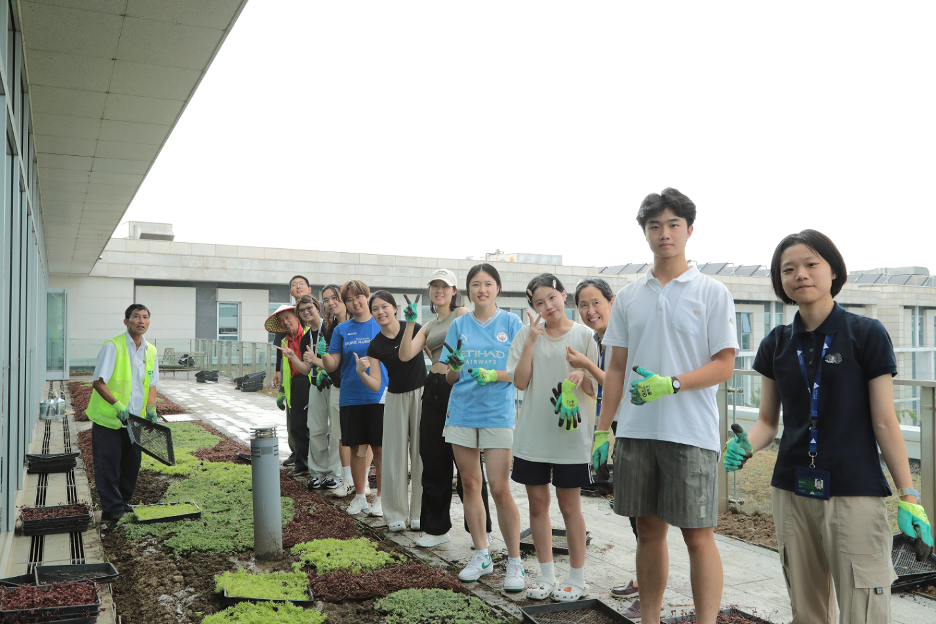
Duke Kunshan University (DKU) Climate and Sustainability Initiative (CSI) organized DKU’s first Sustainability Day during Orientation in August 2024 to welcome the Class of 2028.

Oceans Week 2025
Since 2020, Oceans@Duke has catalyzed interdisciplinary connections among Duke students and scholars. In 2025, the initiative hired its inaugural managing director, Stephanie Rousso.

Climate Scholars Cohort
Duke University named seven undergraduate students to its latest Climate Scholars cohort, joining eight inaugural scholars in a program designed to foster interdisciplinary research on climate-related challenges.

Energy Week
Duke University hosted its ninth annual Energy Week Nov. 11–14, 2024, drawing hundreds of students, professionals, and community members to explore the future of clean energy.

Student Sustainability Conference at Duke
Duke University hosted the Southeastern Student Sustainability Conference, welcoming over 200 students and staff from 23 universities across a dozen states in April 2025.

Climate and Sustainability Teaching (CAST) Fellows Program
During its second year, the Duke Climate and Sustainability Teaching Fellows (CAST) program welcomed 11 faculty from Duke and Duke Kunshan University (DKU) into the program.

Green Devils
Green Devils are the paid intern team for the Duke Office of Climate and Sustainability, awarded each academic year. The Green Devil internship program offers Duke students the opportunity to gain hands-on experience, build professional skills and make a tangible impact on campus and in the community.
Exploring Energy Solutions in Barbados
In March 2025, students in the Nicholas School of the Environment’s Master of Environmental Management program conducted field research in Barbados to assess potential sites for microgrid and battery storage systems as part of their master’s project.

Udall Scholarship
Student Aaron Siegle was named a 2025 recipient of the nationally competitive Udall Scholarship, which honors students committed to careers in environmental issues, Native American public policy or Native American health care.

Climate+
Climate+ brings together undergraduate and graduate students for a 10-week research experience focused on climate, energy, and environmental sustainability. Students gain experience in data analysis, visualization and machine learning while working on real-world climate issues.
Design Climate Program
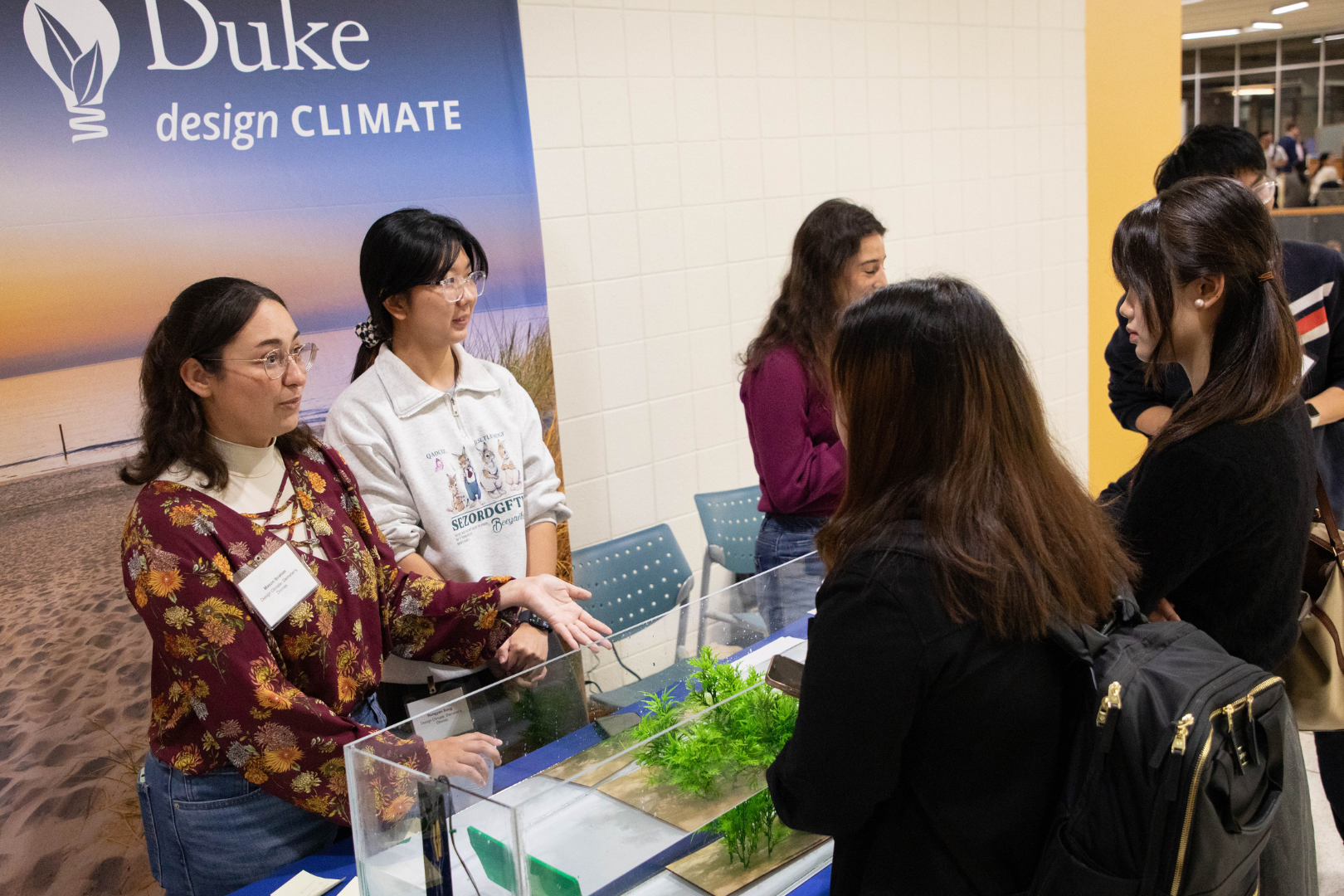
Duke’s Design Climate program is empowering interdisciplinary student teams to tackle urgent environmental challenges through hands-on, community-driven innovation.

Ocean Engineering Course
Duke engineering students moved their ocean engineering design course from campus to the Duke University Marine Lab this year. The class gained real-world experience building and testing low-cost hydrophones.

Second Nature Photo Exhibition at Duke’s Nasher Museum of Art
In fall 2024, the Nasher Museum of Art and the Duke Forest partnered to bring the Second Nature Photo Exhibit to campus.

Duke Nursing Student Champions Health and Climate
KC Ward, a 2025 graduate student in Duke’s Accelerated Bachelor of Science in Nursing (ABSN) program, merged her passions for health care and environmental advocacy to promote healthier communities.

School of Nursing Eco-Health Alliance
Duke University School of Nursing has renamed the School’s Green Team to the Duke Eco-Health Alliance (DEHA) to reflect expanding work on climate, planetary health and sustainability across Duke University and Duke University Health System.
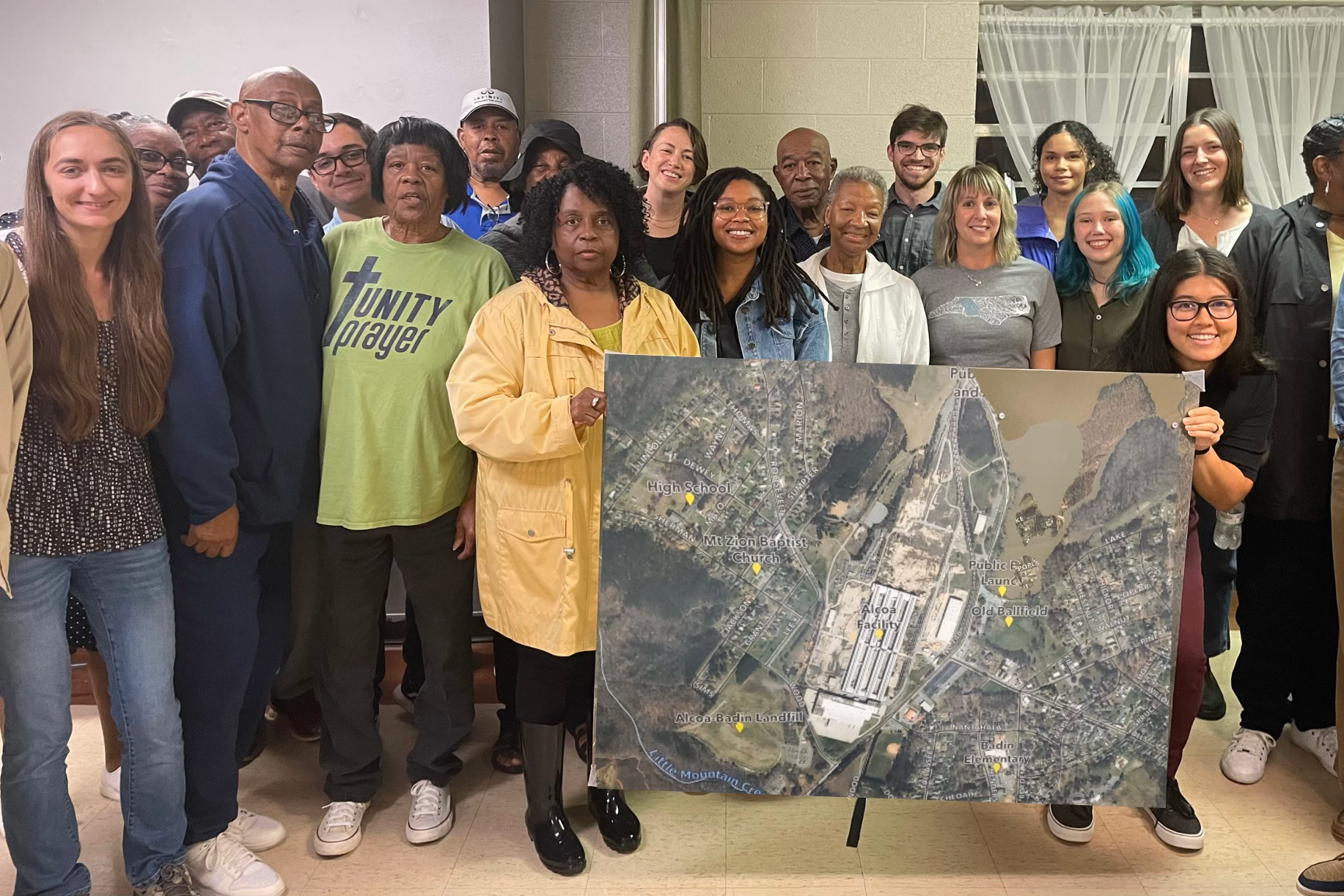
Duke Law and Climate Student Experiences
Duke Law School offers more than a dozen courses dealing with climate change and Environmental Law Clinic experience, working with faculty and communities.

GreenBiz Blue Devils
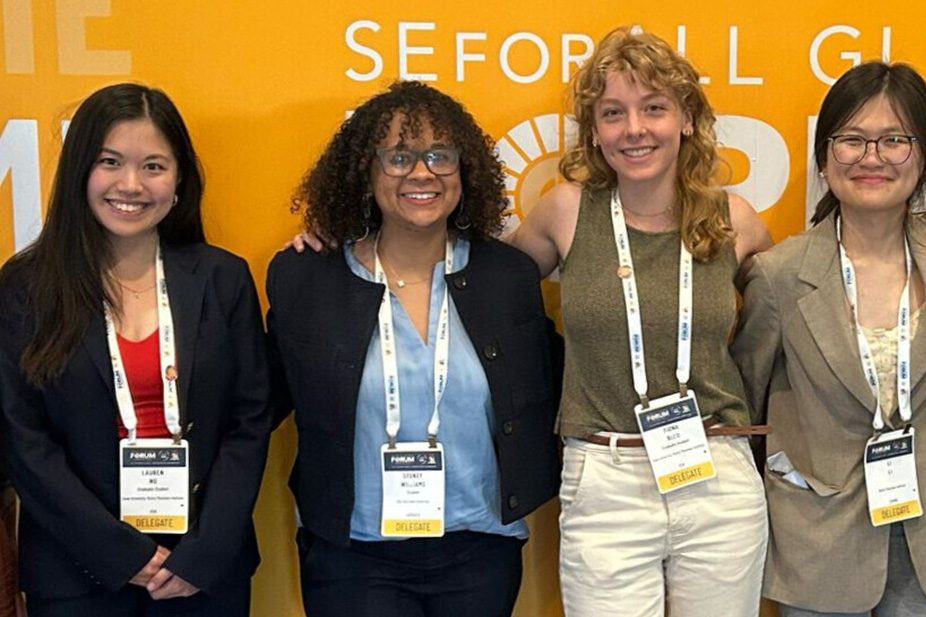
More than 25 Duke students, faculty and alumni attended GreenBiz 25 in Arizona in February 2025 to join the most influential voices in sustainability and learn about the future of decarbonization, supply chains, change management and more.
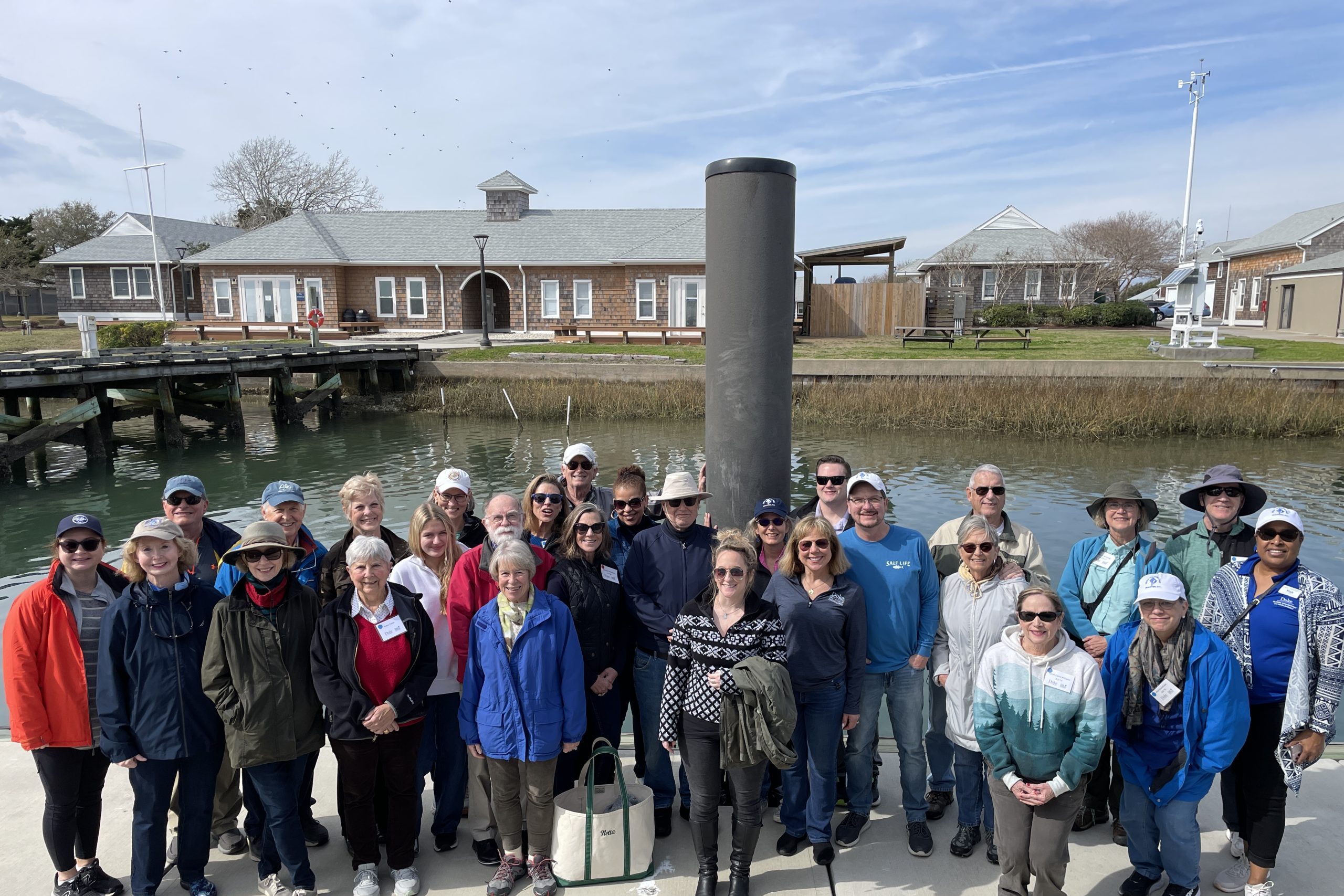
Forever Learning Weekend at the Duke Marine Lab
Duke alumni and their families gathered in October 2024 at the Duke University Marine Lab in Beaufort, N.C., for the biannual Forever Learning Weekend, hosted by the Duke Alumni Engagement and Development Lifelong Learning team.

Wide Range of Climate and Sustainability Courses
Students can find countless opportunities to explore climate and sustainability themes woven into courses spanning across disciplines--from graduate engineering seminars to first-year writing courses.

Sustainability and Climate Applied Learning (SCALe)
The Sustainability and Climate Applied Learning (SCALe) program situates Duke University as a living backdrop for sustainability and climate change education.

Oceans@Duke Graduate Student Career Trek to Boston
The Oceans@Duke graduate student club organized a career trek to Boston in spring 2025. Graduate students explored innovations in ocean technology, networked with Duke alumni across the blue economy and gained firsthand insight.
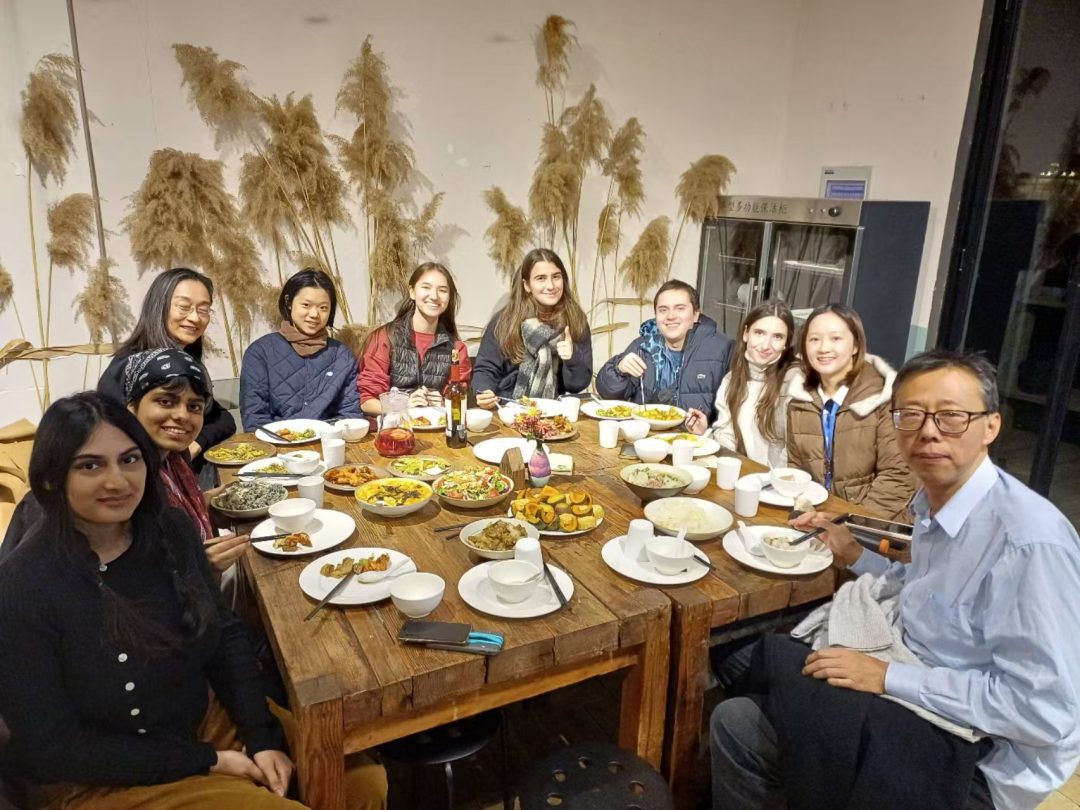
DKU Let’s Talk About Climate Change Course
In fall 2024, Duke Kunshan University (DKU) offered a new interdisciplinary course titled “Let’s Talk About Climate Change,” open to all undergraduate students. The course set a new enrollment record at DKU with over 150 students.
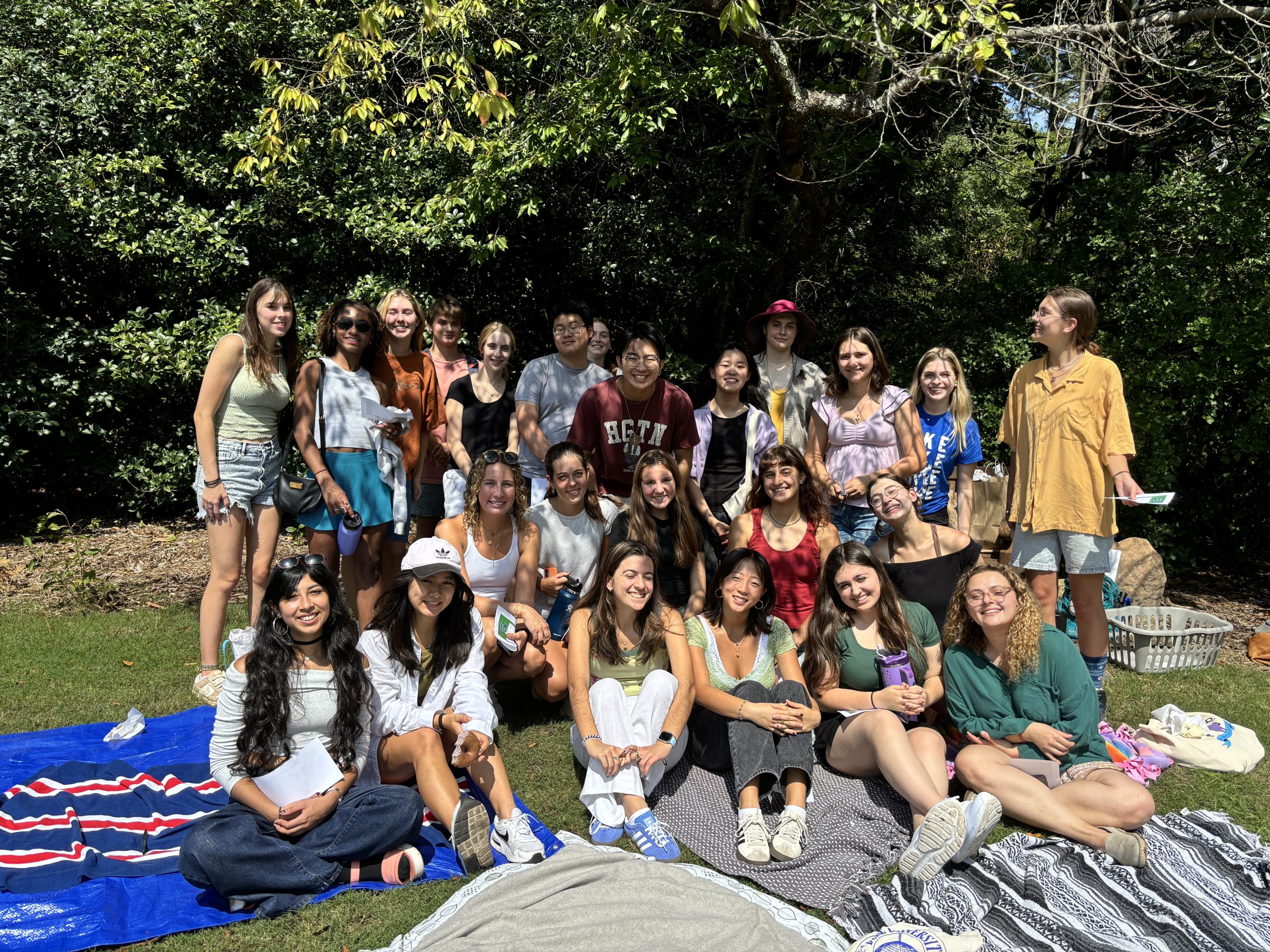
Sustainability Ambassadors
Supported through the Office of Climate and Sustainability, the Sustainability Ambassadors program is designed to give first-year students the opportunity to build a robust toolkit around interdisciplinary sustainability while building community and leadership skills.
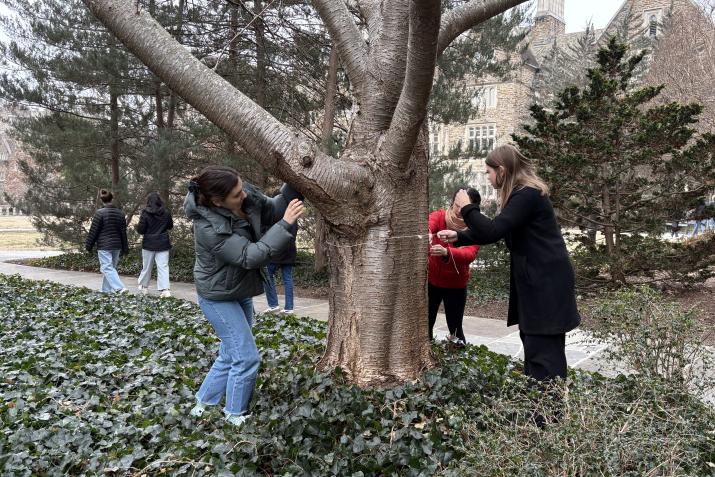
Climate and Global Health
In spring 2025, Duke faculty member Mark Janko offered a new undergraduate course, Climate Change and Global Health, to explore how environmental shifts impact human health. The new course blended fieldwork, data analysis and interdisciplinary learning.
Duke Alumni Future Forward Research Session
Duke alumni gathered virtually in March 2025 for Future Forward Research: Transforming the Future of Climate, a session hosted by the Forever Learning Institute.
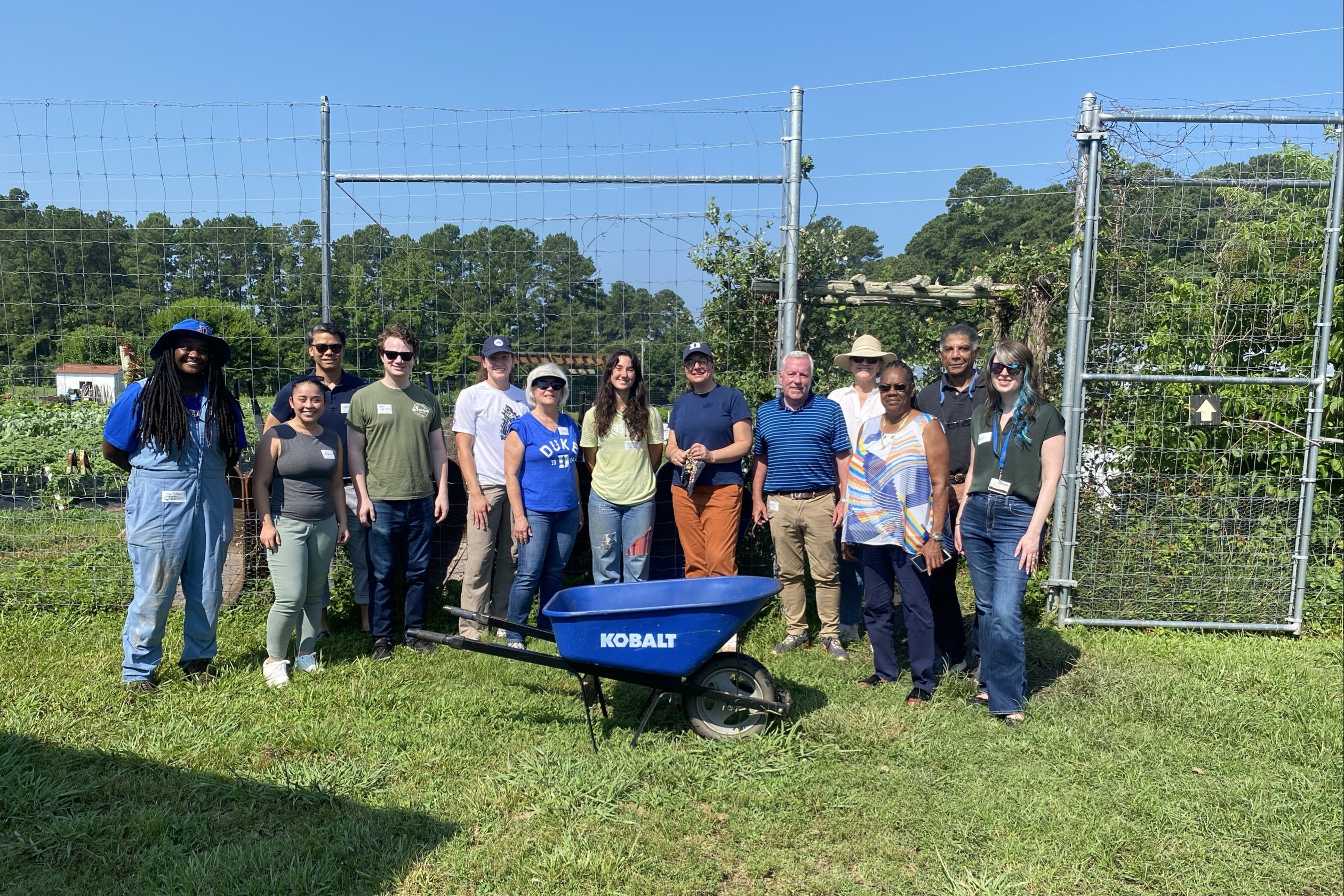
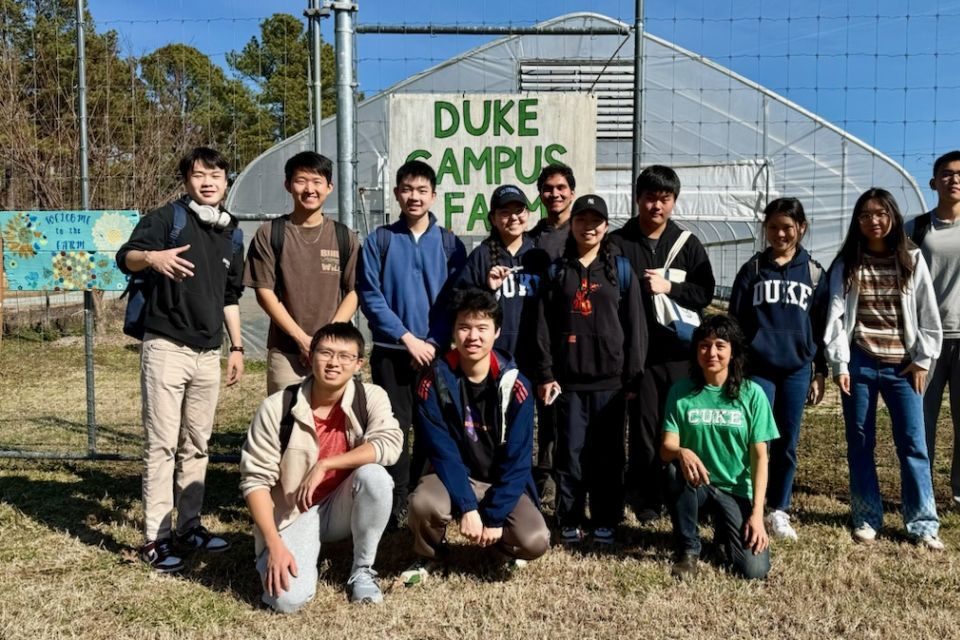
Admissions Visits Duke Campus Farm
As part of Duke’s Undergraduate Admissions Summer Learning Series, staff visited the Duke Campus Farm this summer to deepen their understanding of how sustainability and climate initiatives are woven into the university’s mission.

Climate Coursera Courses
To meet the growing demand for climate and sustainability education among alumni and working professionals, Duke University developed new Coursera courses this year.

Duke Alumni Food Systems and Climate Challenges Online Session
Nearly 360 Duke alumni and friends joined a thought-provoking virtual session in October 2024 titled Food Puzzles: Agriculture, Climate and Solutions.

Bass Connections in Energy and Environment
As part of the 2024-2025 Bass Connections program, 16 interdisciplinary teams in the Energy and Environment theme tackled an array of complex research challenges.

Student-created House Course in Energy and Climate Ventures
A conversation between student Tyler Ratcliffe ’26 and alumnus Daniel Ketyer ’16 sparked the creation of in spring 2025 of a new house course: Energy and Climate Venture Investing.
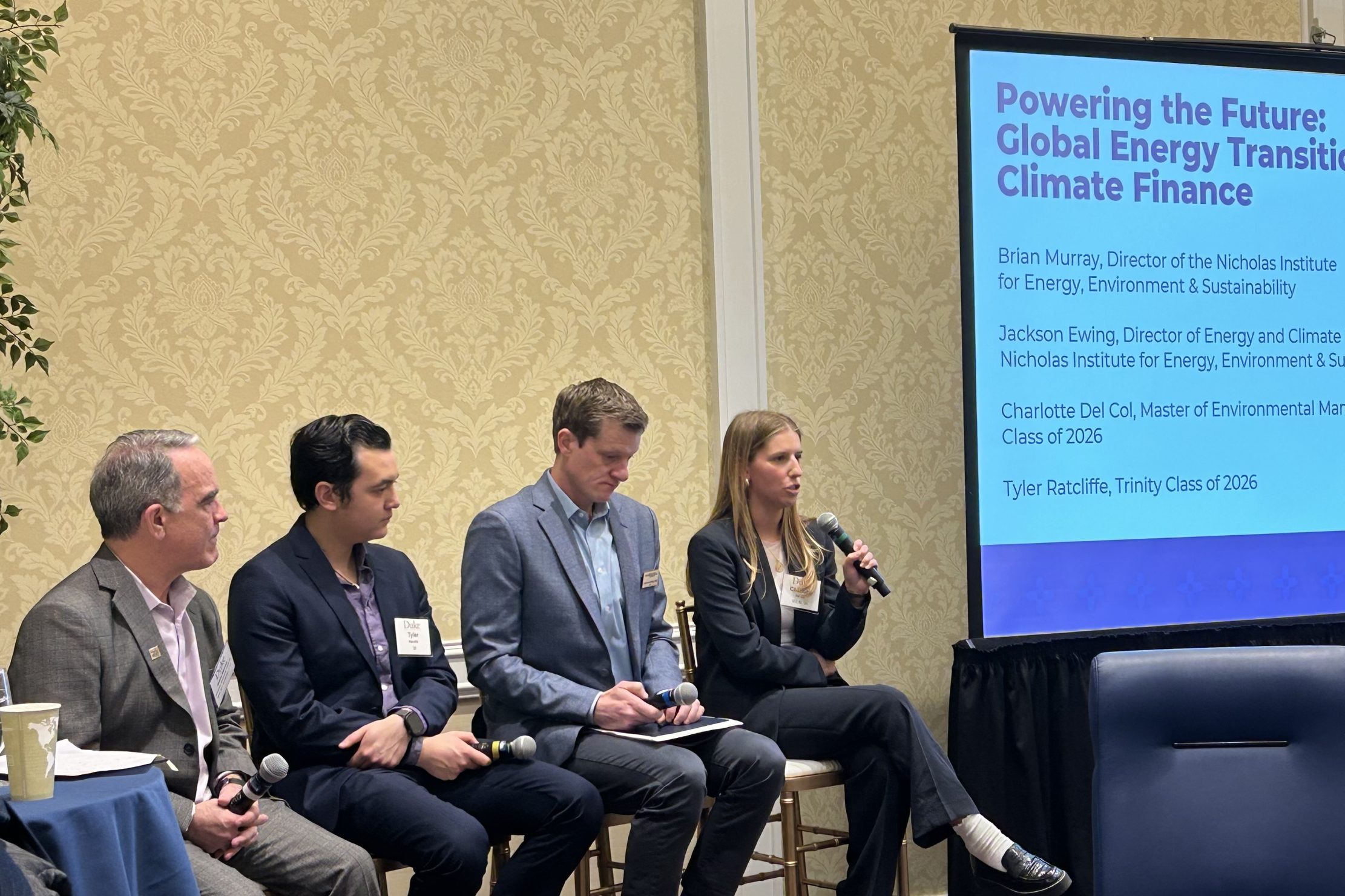
Duke Students Powering the Energy Future
At the launch of the Duke Campaign “Made for This” in February 2025, students took center stage in a session for alumni exploring the global energy transition and climate finance.
Energy Internship Program
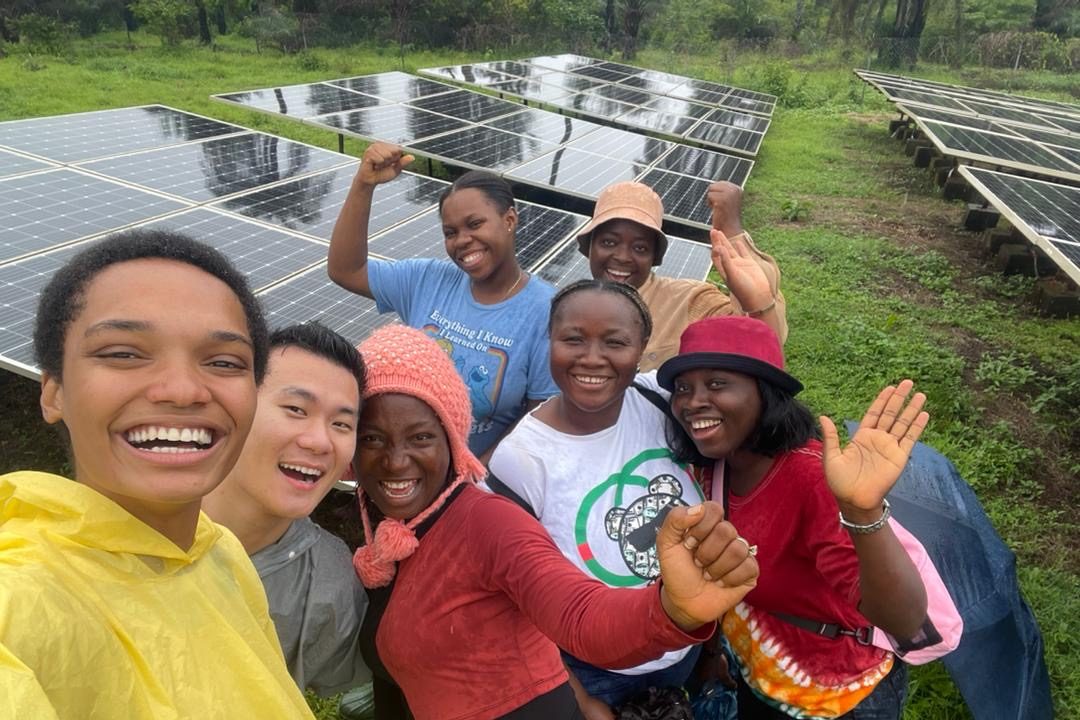
Now in its seventh year, the Energy Internship Program helps Duke students discover summer opportunities across the energy sector, including at start-ups, utilities, renewable energy developers, large firms, government agencies and non-governmental organizations.
Launch of Duke's Master in Business, Climate, and Sustainability
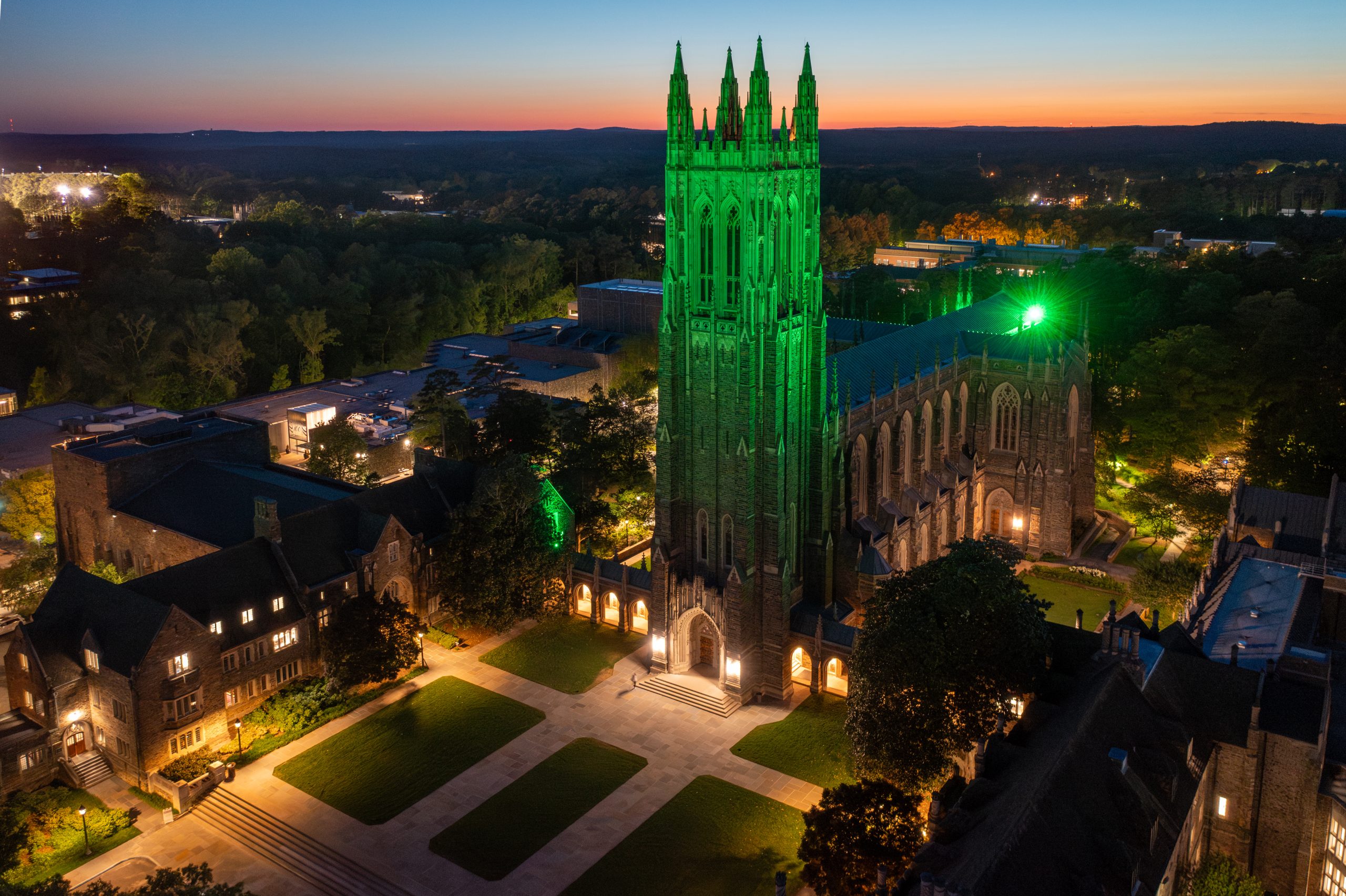
Duke unveiled a joint-degree program— the 10-month Master in Business, Climate, and Sustainability (MBCS)—developed by the Fuqua School of Business and Nicholas School of the Environment.
Research Innovation
Duke engages in meaningful research that advances discovery, as well as mitigates, responds to, and adapts to climate change. This year, Duke held a Catalyzing Climate Connections Researcher Forum, funded research proposals, created a panel for the Duke Research Summit, and produced impactful research on topics including heat, disasters, microplastics, and our oceans, underscoring the growing influence in national climate discourse, especially related to key focus areas.
Rethinking Load Growth
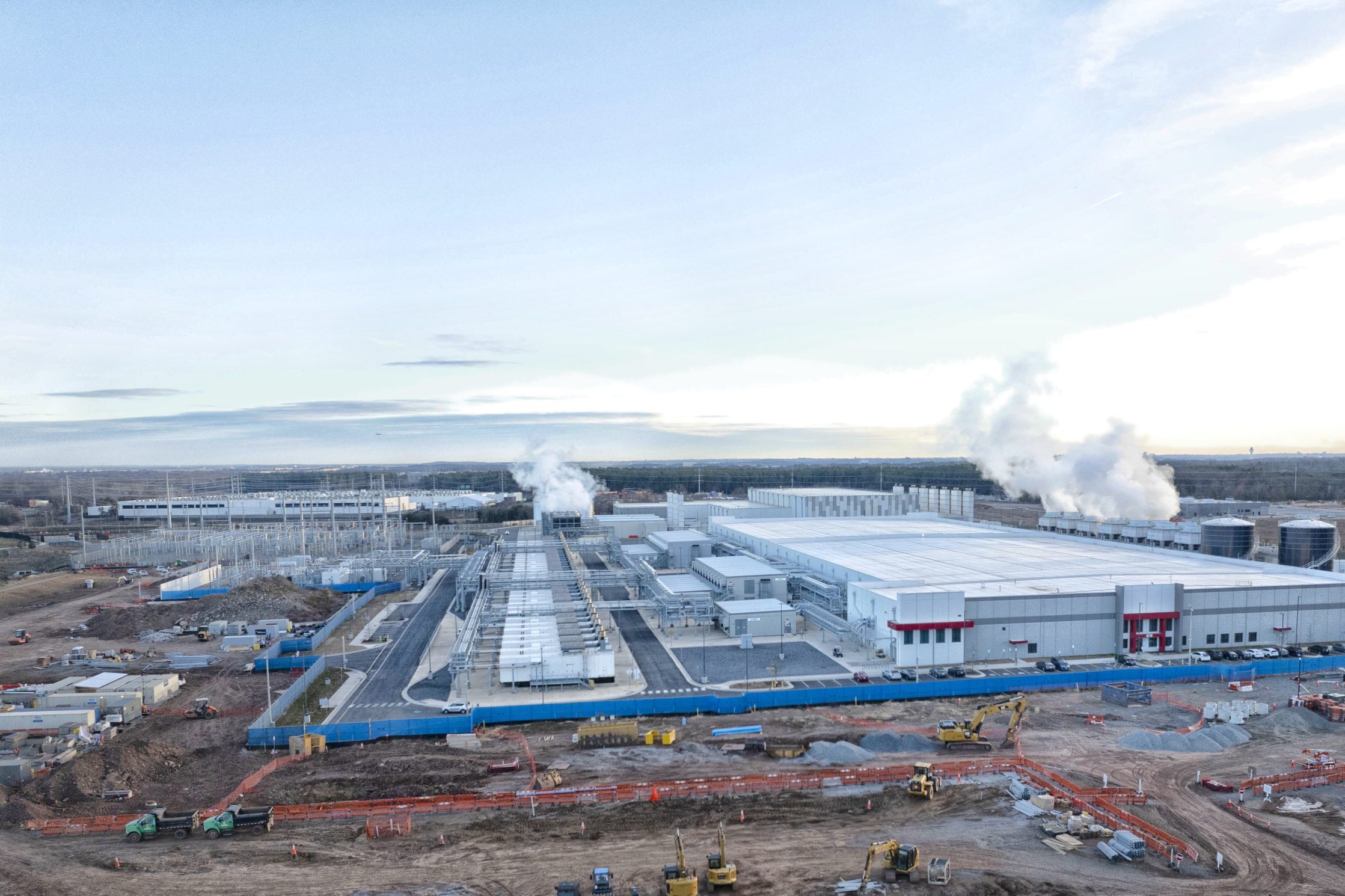
Electricity demand in the United States is surging. A first-of-its-kind analysis released by Duke researchers in February 2025 suggests that taking advantage of load flexibility could enable the U.S. power system to adapt.

Duke Law Clinic and Community
Duke Law’s Environmental Law and Policy Clinic works to reduce the use and waste of plastics, especially single-use plastics, at all stages of the plastic lifecycle.

Fungal Fallout after Disasters
In the wake of Hurricane Helene’s devastation in North Carolina, a new threat emerged: fungi. This hidden consequence of climate disasters has sparked the formation of Climate and Fungi (CLIF), an interdisciplinary research team.

Climate and Kidney Disease
Duke University researchers are uncovering a troubling connection between climate change and a global surge in chronic kidney disease (CKD), particularly among agricultural workers.

Malaria Forecasting System
Researchers at Duke University have developed a groundbreaking malaria forecasting system that uses artificial intelligence and climate data to predict outbreaks up to nine months in advance.

Chemistry and Clean Energy Research
Faculty in the Department of Chemistry — including David Beratan, Jie Liu, Ivan Moreno-Hernandez and Michael Therien — are exploring promising new directions in renewable energy research.

Climate Dialogue & Innovation Initiative
Duke’s Sanford School of Public Policy received $1 million from HPS Investment Partners and the Kapnick Foundation to establish the Climate Dialogue & Innovation Initiative: Southeast Asia and the World.

Small-Scale Fisheries, Global Nutrition and Livelihoods
Small-scale fisheries play a vital role in food security, nutrition, and livelihoods, according to a study published in Nature and co-led by Duke University researchers.
Climate TRACE
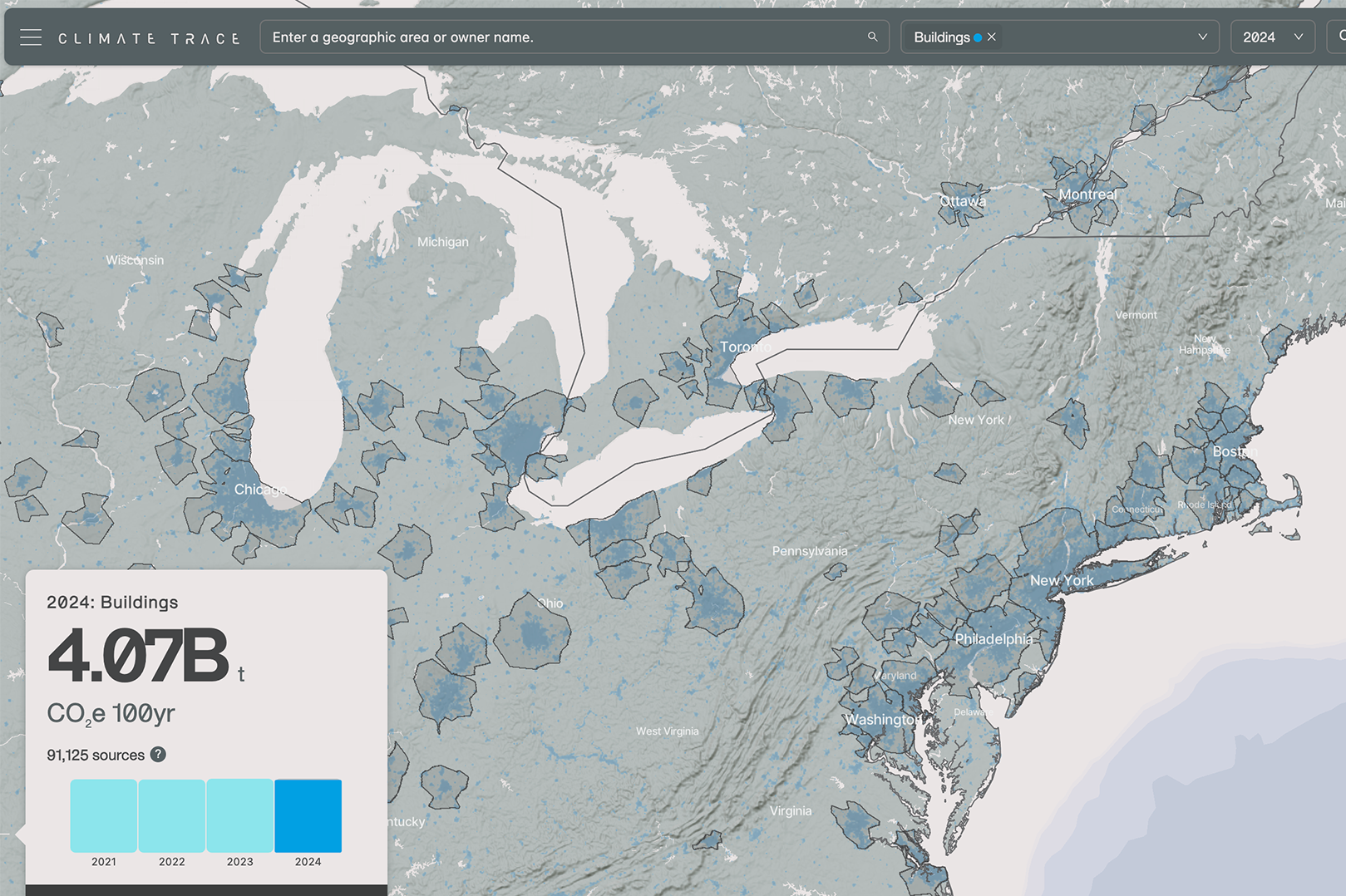
Decision-makers who want to quickly and effectively mitigate climate change need to know exactly where greenhouse gas emissions are being emitted. Duke University is tackling this challenge as part of Climate TRACE.

Ocean Color Shift
A study published in Science in June 2025 reveals a striking transformation in ocean color: waters are becoming greener near the poles and bluer toward the equator. This shift reflects changing concentrations of chlorophyll.

Critical Minerals Research
Duke has a new effort addressing the growing demand for critical minerals essential to clean energy technologies and national security.
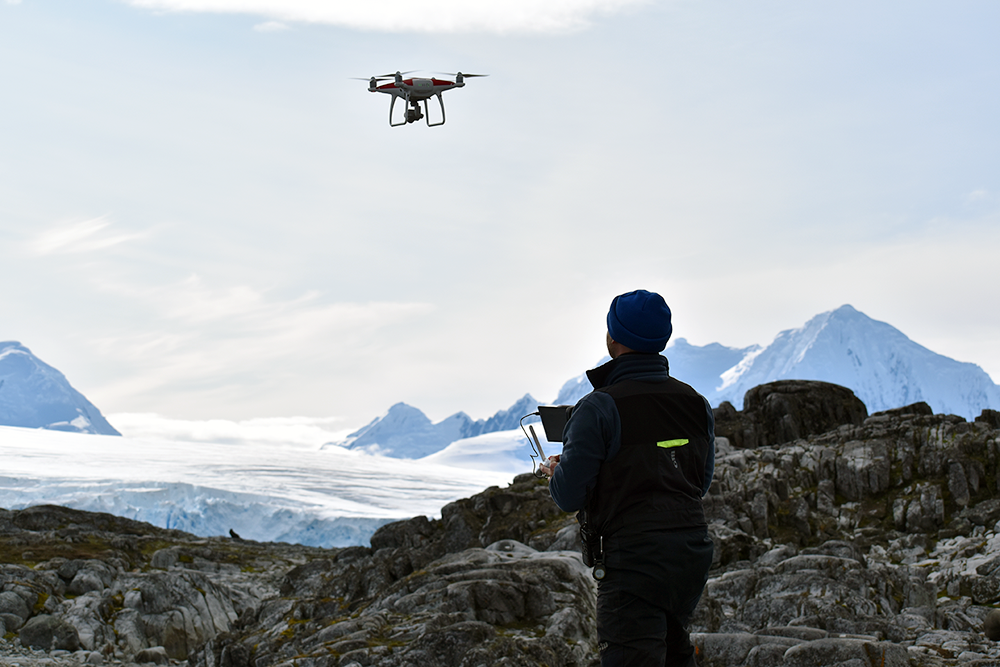
Studying Antarctica via Drone
Ph.D. graduate Greg Larsen’s joined Professor David Johnston’s newly established drone lab. Larsen earned FAA certification and trained extensively to master drone safety in harsh conditions—skills that proved essential during a research expedition to Antarctica.
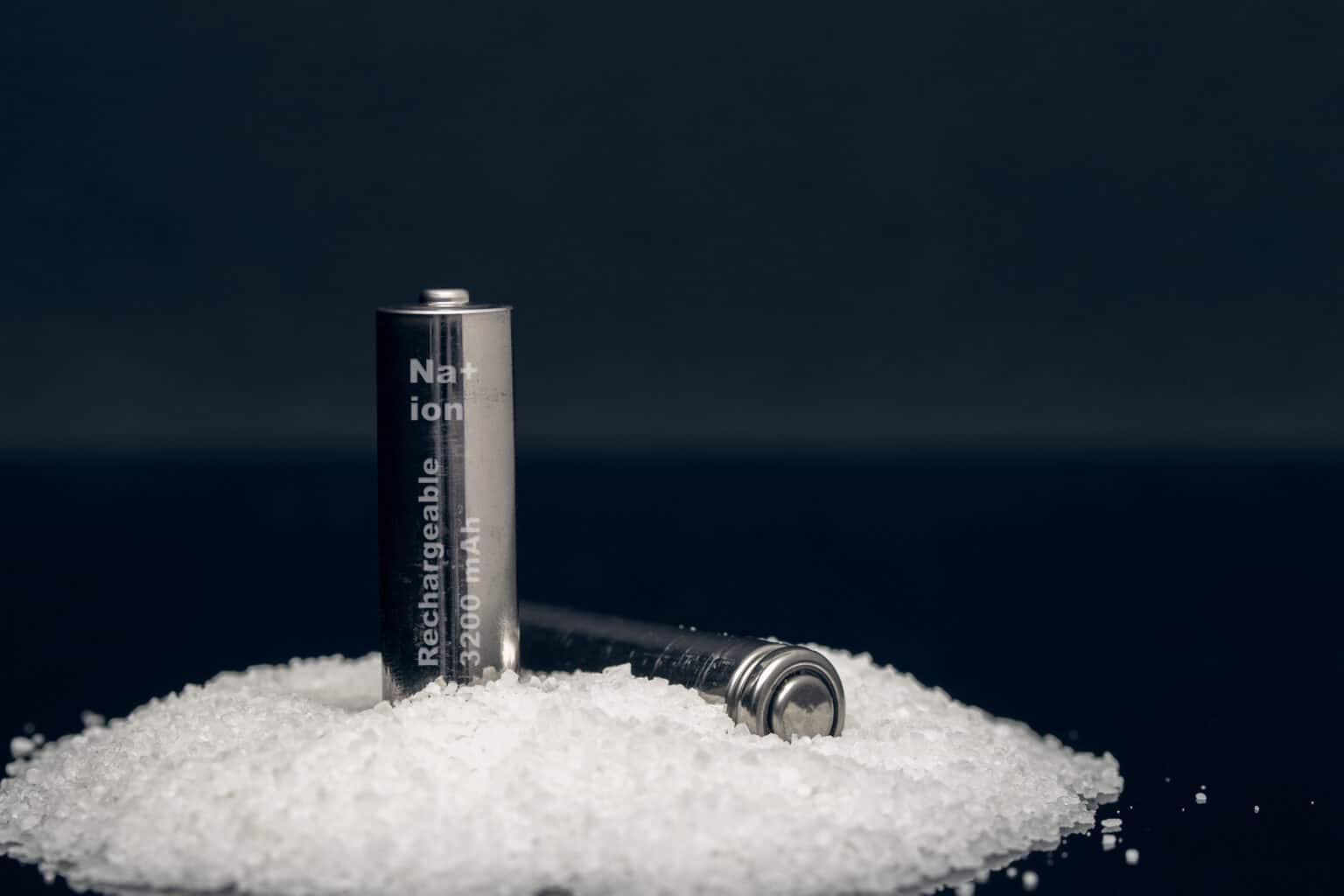
Batteries for the Future
Lithium-ion batteries have become commonplace in tools and technology today, from laptops to cell phones and more. Researchers are working to engineer a new type of electrolyte that is just as efficient and powerful but is also more stable and abundant.
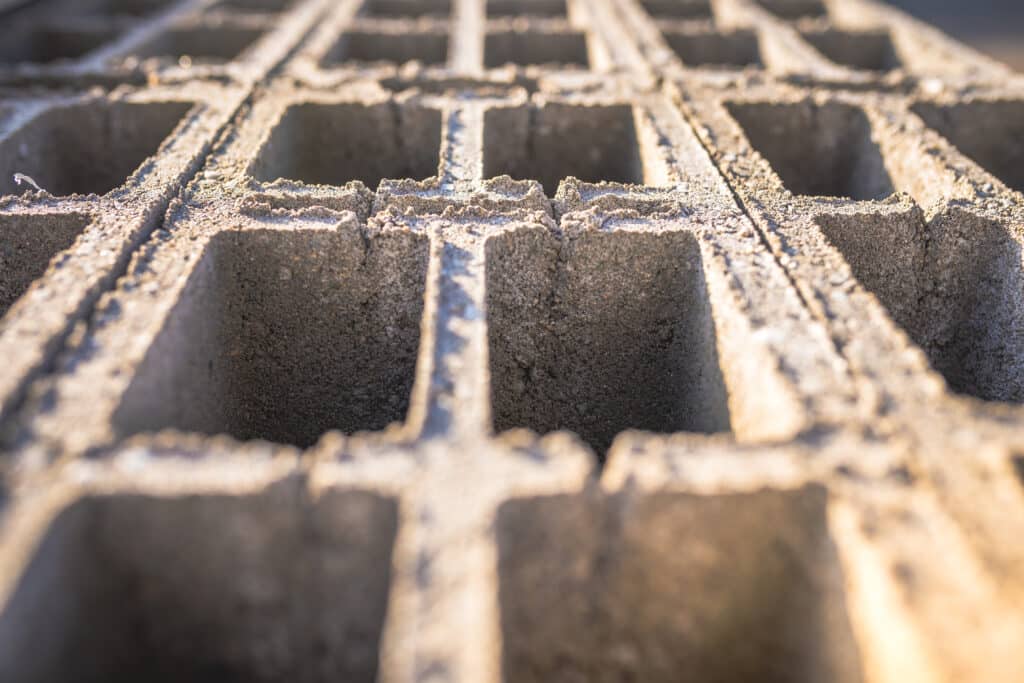
Developing Sustainable Materials
A new venture focused on materials development seeks to make greener materials for infrastructure, energy and resource health. A team of engineers and scientists is leveraging their expertise and existing collaborations from the Duke Materials Initiative (DMI).

Speed Cooling for Solar Potential
Stabilizing the glassy state of materials using rare instrumentation is unlocking a new line of research for perovskites, with potential solar cell technology impacts. Researchers at Duke are exploring possibilities.

Global Air Quality Management
Air quality researchers from six continents gathered at Duke University in early November to strengthen global collaboration and capacity-building in the fight against air pollution.

Duke Campus Farm Soil Fertility Fellowship
In partnership with Earth and Climate Science Professor Dan Richter and the Duke Soils Lab, the Duke Campus Farm launched the Soil Fertility Fellowship in 2024.

Duke Forest Research Tour
The annual Research Tour was held Feb. 1, 2025, in the Duke Forest, a 7,000-acre living laboratory. Among the featured Duke projects was a study on forest regeneration and biodiversity in the face of climate change.

Director of Planetary Health in Nursing
Clinical Professor Valerie Sabol, RN, PhD, MBA, has been appointed the inaugural Director of Planetary Health at the Duke University School of Nursing. In this role, she leads initiatives that address planetary health and sustainability through a healthcare lens.
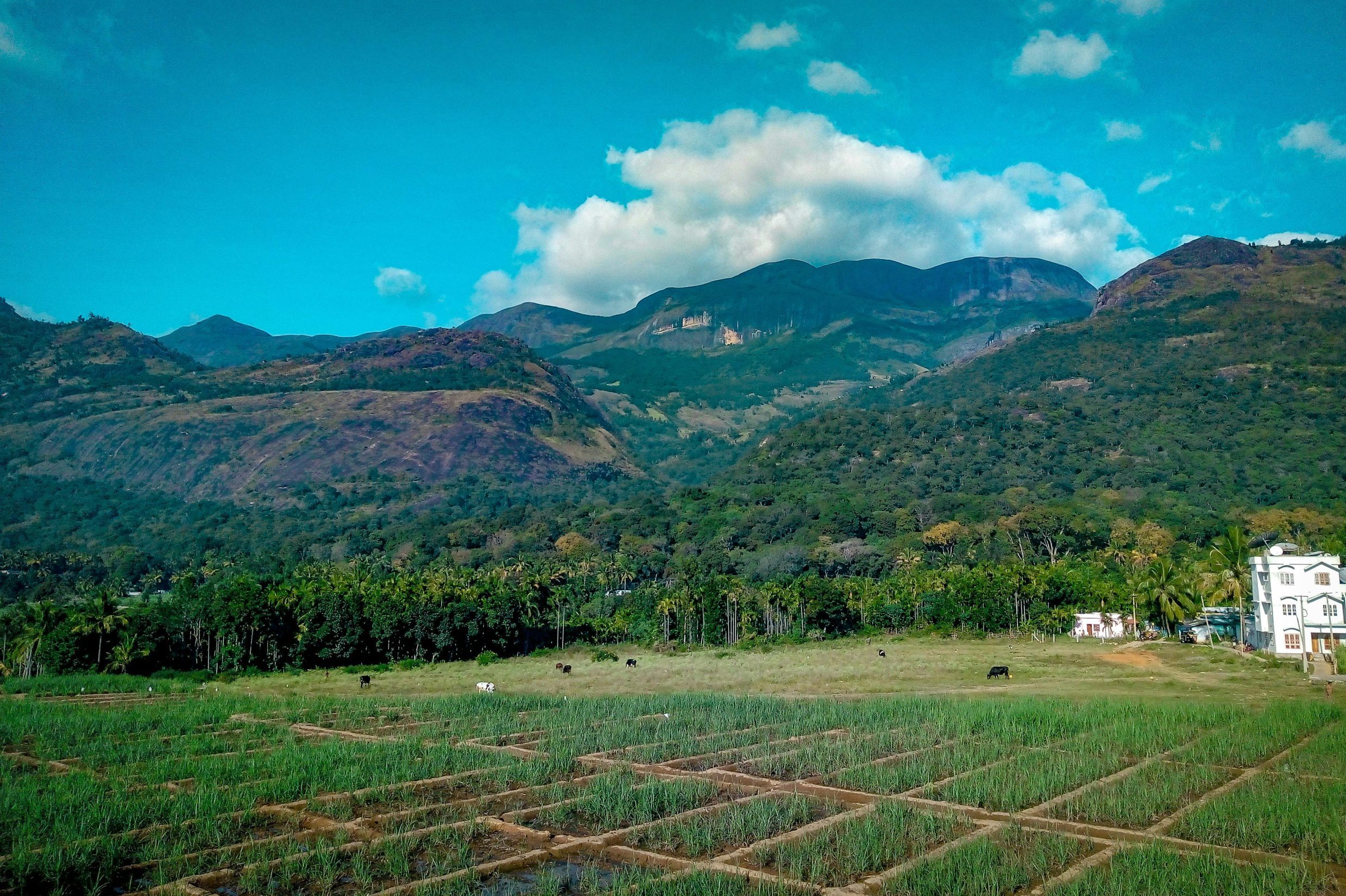
No-Burn Agriculture in Rural India
This research project examined sustainable agricultural practices in rural Punjab, India, focusing on no-burn farming methods to address severe air quality issues caused by crop residue burning.

Climate, Greenland and the Arctic
In February 2025, the Policy 360 podcast released a conversation with Tim Nichols, who teaches about the growing strategic importance of Greenland and the broader Arctic.

Math Models, Food Webs and Climate Connections
Jean-Philippe Gibert is using mathematical models to explore how climate change affects food webs—the complex networks of species and their feeding relationships.

Ever-present Microplastics
Microplastics—tiny plastic particles formed when larger plastics break down—are both an environmental and health threat. Duke University has over 60 experts across 12 departments forming the Plastic Pollution Working Group.

Duke and Duke-NUS Climate and Health Grants
Duke University and Duke-NUS Medical School have jointly awarded over $1 million in “Research Collaboration Pilot Project” grants to accelerate five groundbreaking studies focused on climate change and human health.

Climate-related Health Challenges
The Duke Department of Population Health Sciences held a symposium titled, “Innovative Strategies for Addressing Climate-Related Health Challenges,” bringing together disciplines to discuss novel approaches to tackling the health impacts of climate change.

Studying "Forever Chemicals"
In a Duke lab, thousands of microscopic worms are helping scientists investigate the health risks of per- and polyfluoroalkyl substances (PFAS), also known as “forever chemicals.”

Action for Climate, Health, Mothers and Babies
Duke’s Department of Obstetrics and Gynecology in the School of Medicine hosted a Climate Action Day on April 23, 2025, spotlighting the urgent connection between climate change and reproductive health.

Outdoor Time of Preschoolers
Climate change impacts children, including time spent outside. New research by a population health sciences researcher in the Duke University School of Medicine could help track just how much.

Environmental Futures in Asia Network
The second meeting of the Environmental Futures in Asia Network (EFAN) took place in May 2025 at Duke University.
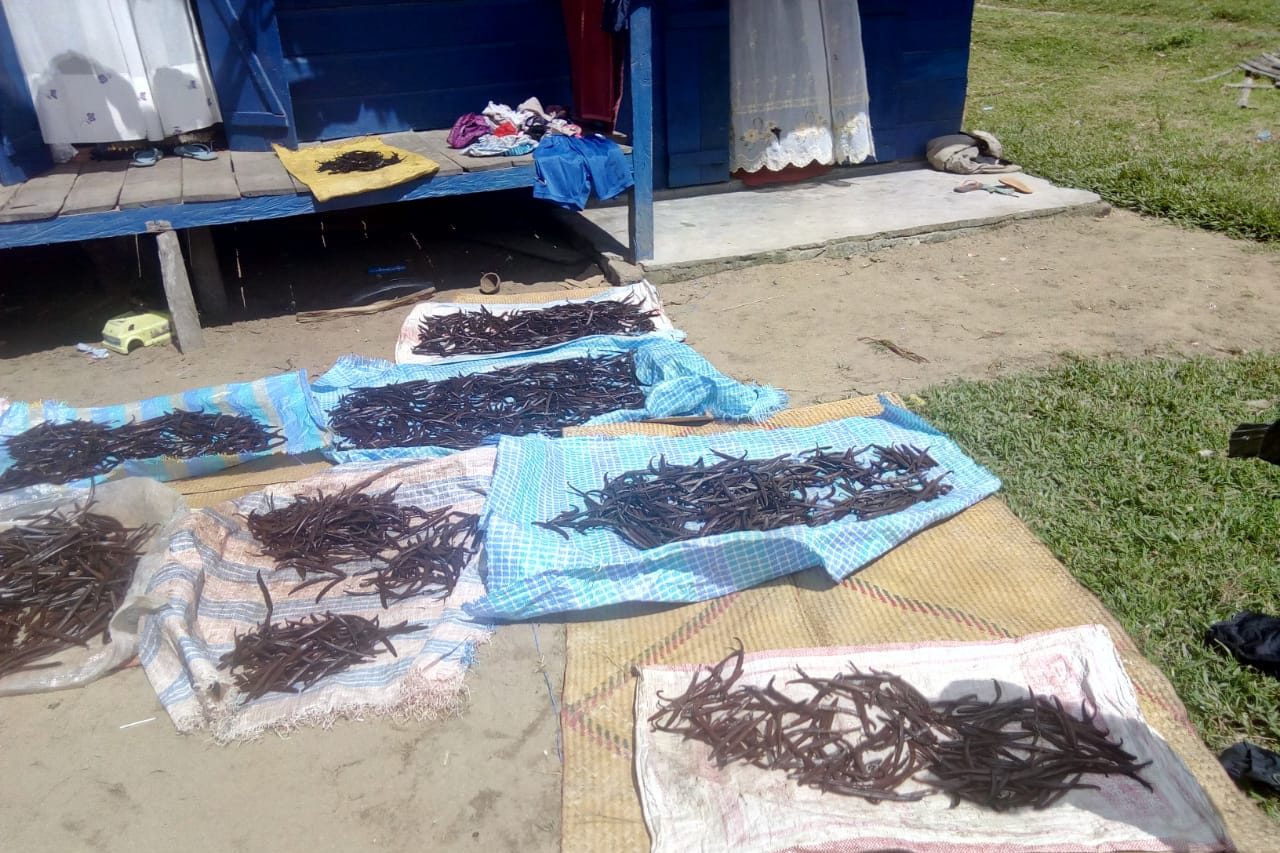
Farmers and Climate Adaptation
A study led by Duke and Madagascar’s University of Antananarivo revealed that small-scale farmers in Madagascar’s vanilla production region are grappling with increasingly erratic weather that threatens their livelihoods and food security.

Global Climate and Health Observatories
Duke’s Global Health Institute (DGHI) has launched four regional observatories focused on the health effects of climate change in the Amazon, East Africa, Southeast Asia and the southern United States.

Disaster Prevention and Recovery
A recent Duke Today series explored the disaster management cycle—from emergency response to long-term recovery and future preparedness through stories from North Carolina and beyond.
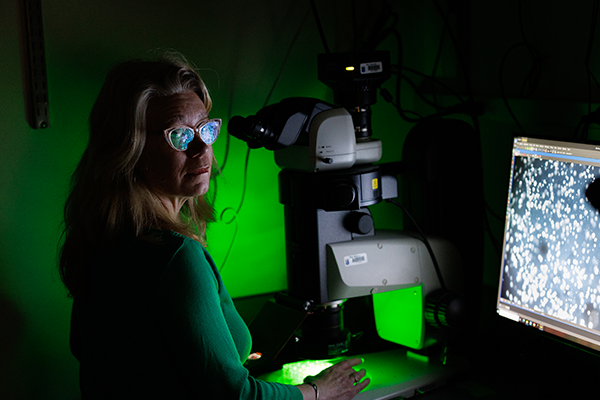
Proteins and Climate
Amy Gladfelter published research that identifies a shape-shifting protein that can tolerate changes and function, possibly even better under new conditions. This adaptability might help some organisms, like fungi and plants, cope with climate change.
Sustainable Operations
Duke is a bold and visible example of living, working and practicing Climate Commitment values. Since achieving carbon neutrality in 2024, Duke is aiming to achieve net-zero carbon emissions inclusive of the Duke University Health System by 2050. Duke demonstrates sustainable campus operations including enhancing alternative transportation, working towards a zero-waste and circular economy, and encouraging sustainable procurement practices, sustainable food systems, water conservation and sustainable land management.
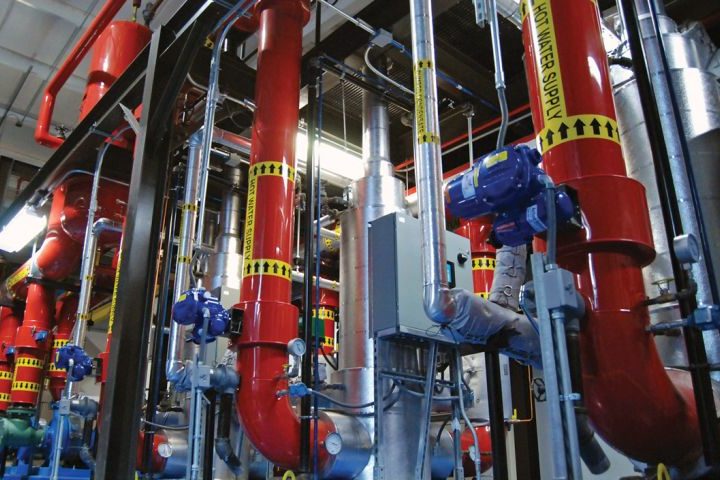
Steam to Hot Water Conversion
Since 2014, Duke has been expanding a hot water system that now serves 39 buildings on West Campus.

Athletics and Sustainability Impact Report
Over the past year, Duke Athletics has advanced its integration of climate and sustainability across operations, engagement, and leadership.

Energy Startup Partnership
Dalia Patiño-Echeverri joined forces with Jeskovon Windheim, to launch GridSeer, an AI-driven software and analytics platform designed to improve energy system management through smarter forecasting and robust risk analysis.

Duke University Health System Greenhouse Gas Inventory
As part of Duke University Health System‘s (DUHS) commitment to tracking annual carbon emissions, the Sustainability Working Group completed the emissions report for FY24.

DKU Sustainability Committee
Under the leadership of the Duke Kunshan University (DKU) Climate and Sustainability Initiative Executive Committee, the DKU Sustainability Committee was established and held its first meeting in February 2025.
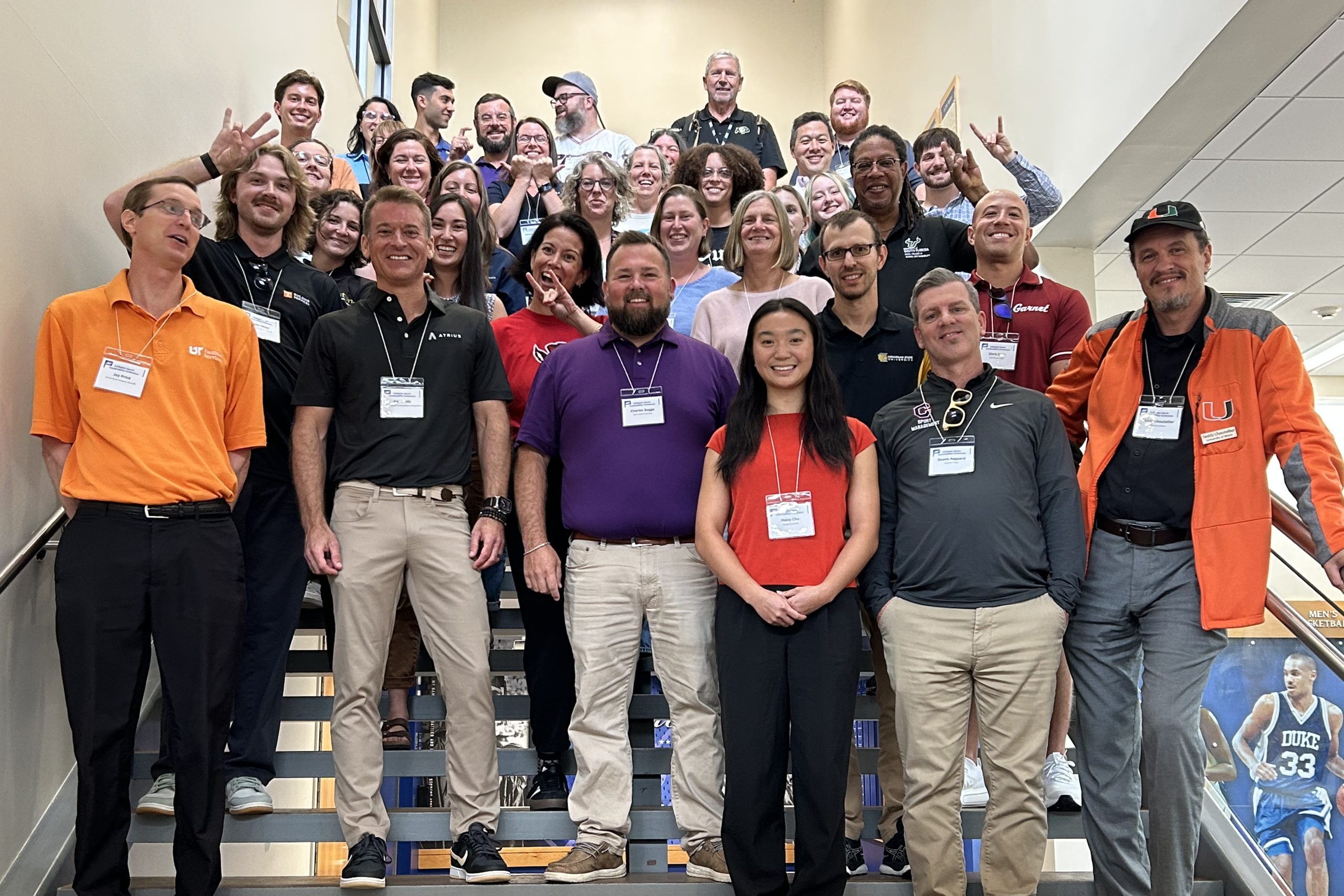
Collegiate Sports Sustainability Network
More than 75 leaders, professionals and students from over 50 universities and organizations nationwide convened at Duke University this summer for the 2025 Collegiate Sports Sustainability Conference.

Carbon Neutrality Goal Achieved; 2050 Goal Set
Duke University announced in October 2024 that it has reached carbon neutrality, fulfilling a pledge made in 2007 to eliminate net greenhouse gas emissions by 2024, making Duke the first among its academic peers to achieve such a goal.

Duke Gardens' Battery-Powered Equipment
In 2025, Duke Gardens fully transitioned to battery-powered equipment, eliminating around 35 gallons of gas and mixed fuel usage per month.
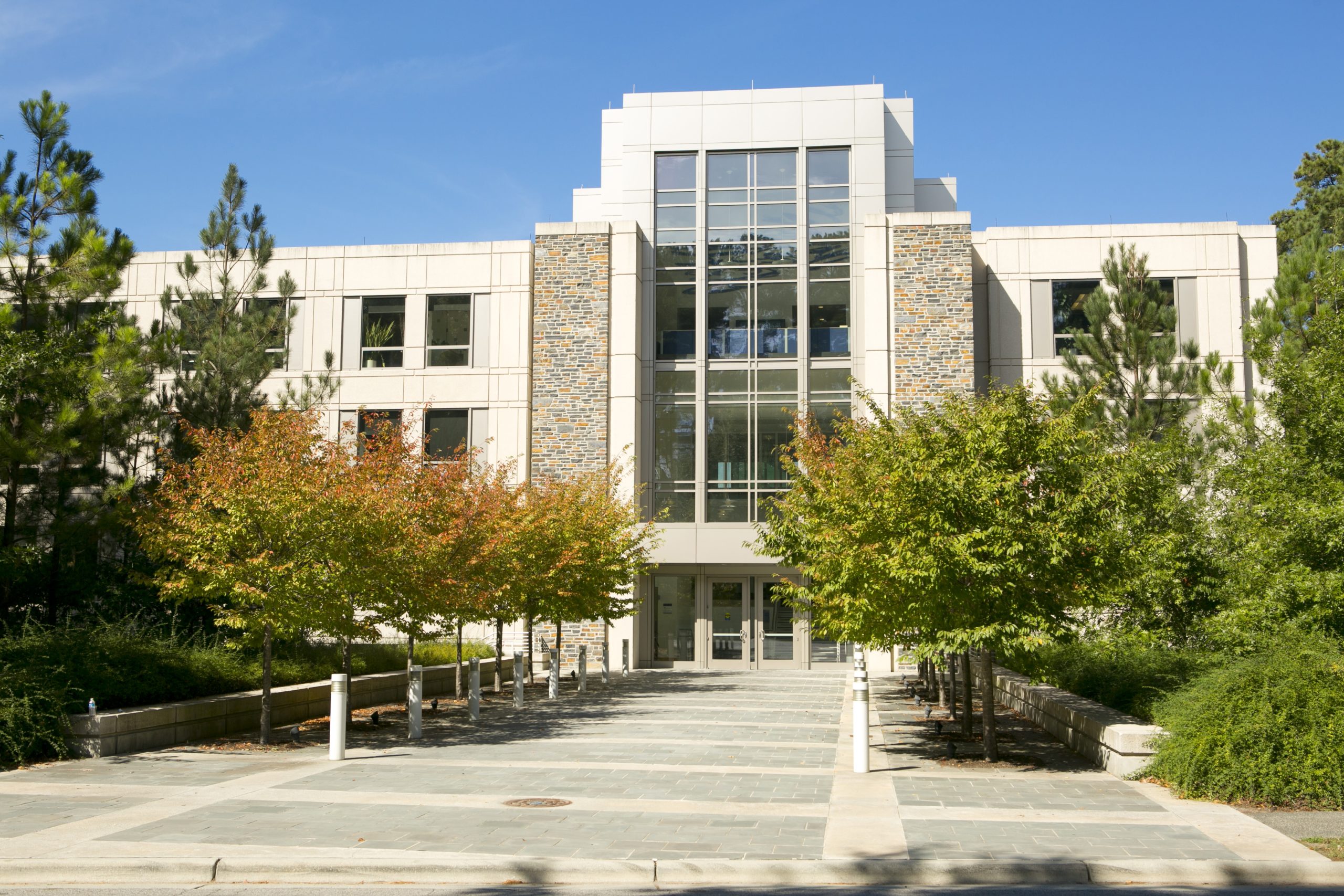
HVAC Fault Detection and Diagnostics System
The Fault Detection and Diagnostics system for HVAC equipment uses predefined responses for different components in the air handling system based on operational commands.

HVAC Efficiency Scheduling Program
Duke Facilities Management worked with campus stakeholders in Duke Libraries, Duke Athletics and Housing and Residence Life to enhance building management through scheduled HVAC shutdowns.

Athletics Climate Team
Duke deepened its commitment to sustainability with the launch of the Athletics Climate Team (ACT) in spring 2025, a new initiative supporting the Duke Climate Commitment.

Duke University Greenhouse Gas (GHG) Data System
Over the summer of 2025, a Climate+ team led by staff from the Duke Office of Climate and Sustainability explored improvements to Duke University’s greenhouse gas data system.

DKU Air Quality Monitoring System
To support the Duke Kunshan University (DKU) community in monitoring both indoor and outdoor air quality, DKU officially launched its campus-wide air quality monitoring system in February 2025.

Sustainable Admissions Welcome Experience
Duke Undergraduate Admissions has significantly reduced single-use items and food waste during campus visit and recruitment programming.
External Engagement
Duke is a sought-out convener, working towards purposeful partnerships for positive societal impact to address climate and sustainability challenges. Duke played a prominent role in key climate convenings throughout the year and connected to broader national and international convenings, and brought experts to campus through events. Duke also organized Climate Collaboration Symposia series to catalyze interdisciplinary solutions, and welcomed new Climate Leaders in Residence.
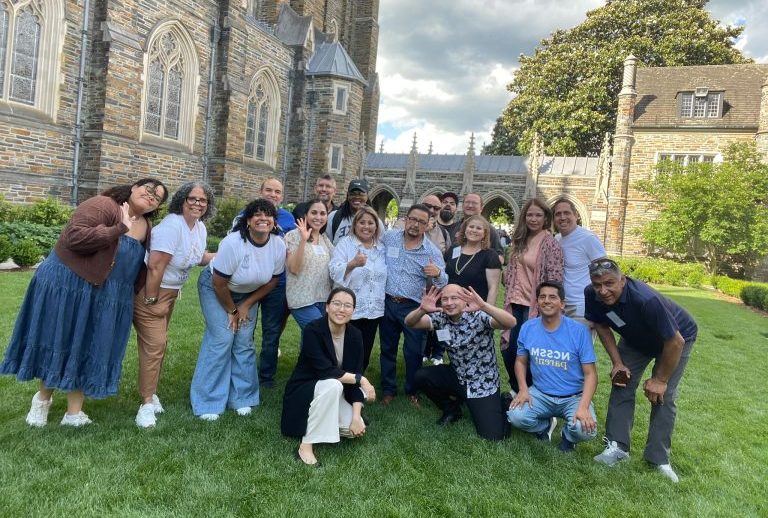
Climate Justice Preaching Cohort
Last fall, Duke Divinity School’s Transformative Preaching Lab led a cohort learning opportunity focused on training preachers to address issues relating to climate justice. The lab brought together preachers from around the country.

Cooling Communities
Extreme heat is placing growing pressure on communities across the Carolinas. Enter “Cooling Communities.” This initiative brings together community leadership, trusted faith-based institutions and financial innovation.

SALA & Duke Summit for Climate and Sustainability
More than 100 leaders, researchers and advocates convened at the SALA & Duke Climate and Sustainability Summit in May 2025 to explore bold climate solutions and institutional commitments.

Energy Access Project
One of the most entrenched challenges in international development is poor electricity reliability and quality. The James E. Rogers Energy Access Project at Duke (EAP) co-convened a workshop with the World Bank.

From Billions to Trillions 2025 Summit
Duke University hosted the second annual “From Billions to Trillions” summit on April 9, 2025, sparking productive conversations about how to catalyze trillions of dollars in private capital for climate solutions.

Atlantic Conservation Coalition
In fall 2024, the U.S. Environmental Protection Agency awarded its largest grant ever for nature-based climate solutions to the Atlantic Conservation Coalition. The $421 million grant will advance dozens of projects.
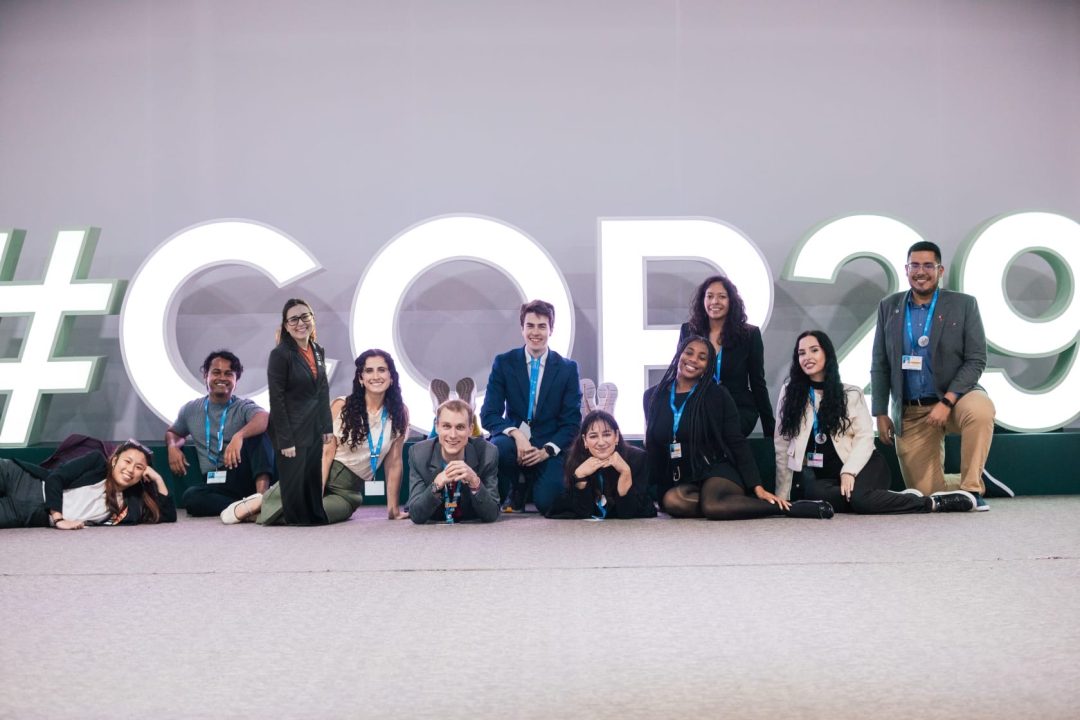
Global Climate Dialogue at COP29
Fifteen students from undergraduate and graduate degree programs across five Duke schools spent the fall semester engaging with international climate change policy and diplomacy practices via Duke’s United Nations Climate Change Negotiations Practicum.
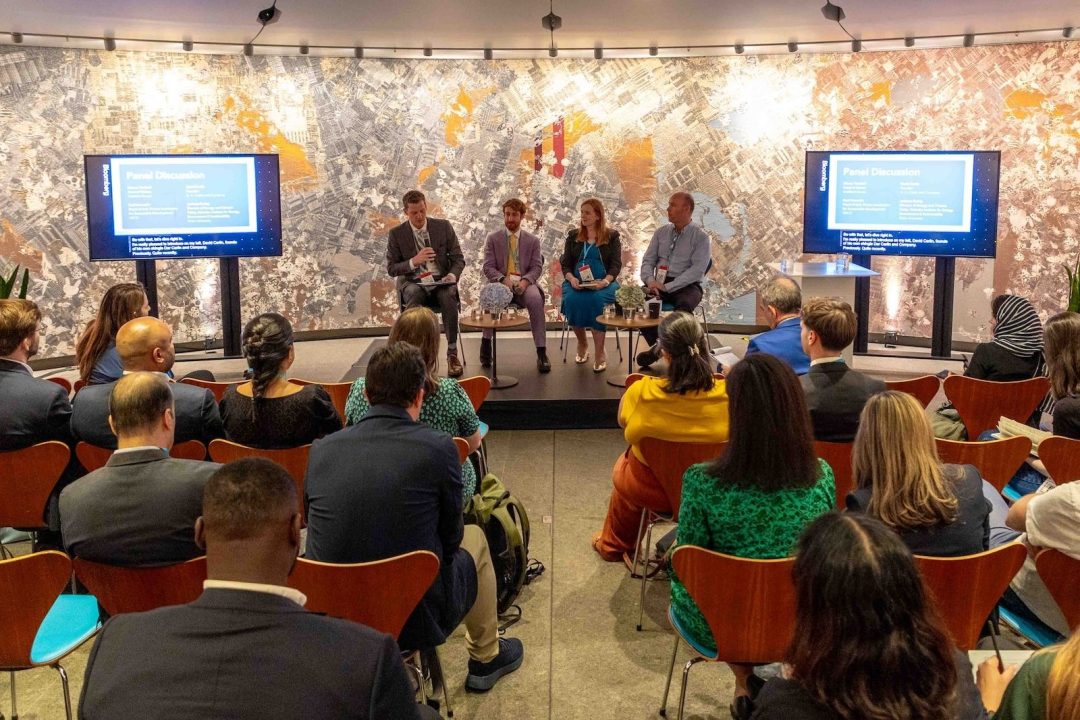
Duke at London Climate Action Week
Duke University was on the scene at London Climate Action Week in June 2025. Duke partnered with the New York Climate Exchange and Bloomberg to convene a panel on the future of climate finance and policy amidst shifting market uncertainty.

Nature Activation Hub
The Nature Activation Hub, hosted by the Nicholas Institute for Energy, Environment & Sustainability, is working with Duke faculty and external partners to identify opportunities for and overcome barriers to scaling up nature-based solutions.

HeatWise DC
Organized by Duke’s Heat Policy Innovation Hub, the HeatWise Policy Partnership is a group of leaders committed to accelerating extreme heat solutions in the United States.

Disaster Preparedness
Duke experts are creating new resources and developing partnerships aimed at building stronger and safer communities by reducing and managing risks from increasingly frequent natural disasters.

Climate Leaders in Residence
The Climate Leaders in Residence program brought three top thought leaders in 2024- 2025 to Duke to help advance climate solutions.

Faith For Our Planet
Duke Divinity School partnered again with Faith For Our Planet for a weeklong program for young faith-inspired climate leaders from May 24-30, 2025 at Duke University. The school welcomed 25 fellows from around the world for the third year of the program.

Duke International Forum
On November 1, 2024, Duke Kunshan University (DKU) hosted the Duke International Forum under the theme “Renovating Climate Policy and Green Finance for Future Sustainability.”

Climate, Resilience and Mobility
In September 2024, experts shared insights on challenges and potential solutions at Climate, Resilience, and Mobility: A Duke Climate Collaboration Symposium, drawing more than 100 attendees.
Community Partnerships
Duke is committed to authentic, purposeful partnerships—particularly in Durham, the region and across North Carolina—grounded in an understanding of community needs. By weaving community partnerships through all the pillars of the Climate Commitment and also integrating the work the Office of Climate and Sustainability (OCS) with that of the Office of Duke Community Affairs (DCA), Duke is working to co-create a more sustainable and healthier place to work and live.

Ready, Set, Resilience
For several years, Duke faculty, staff and students have been working with colleagues at North Carolina State University, as well as public school teachers and resilience practitioners on a middle school program called Ready, Set, Resilience.

Devils Care Donations
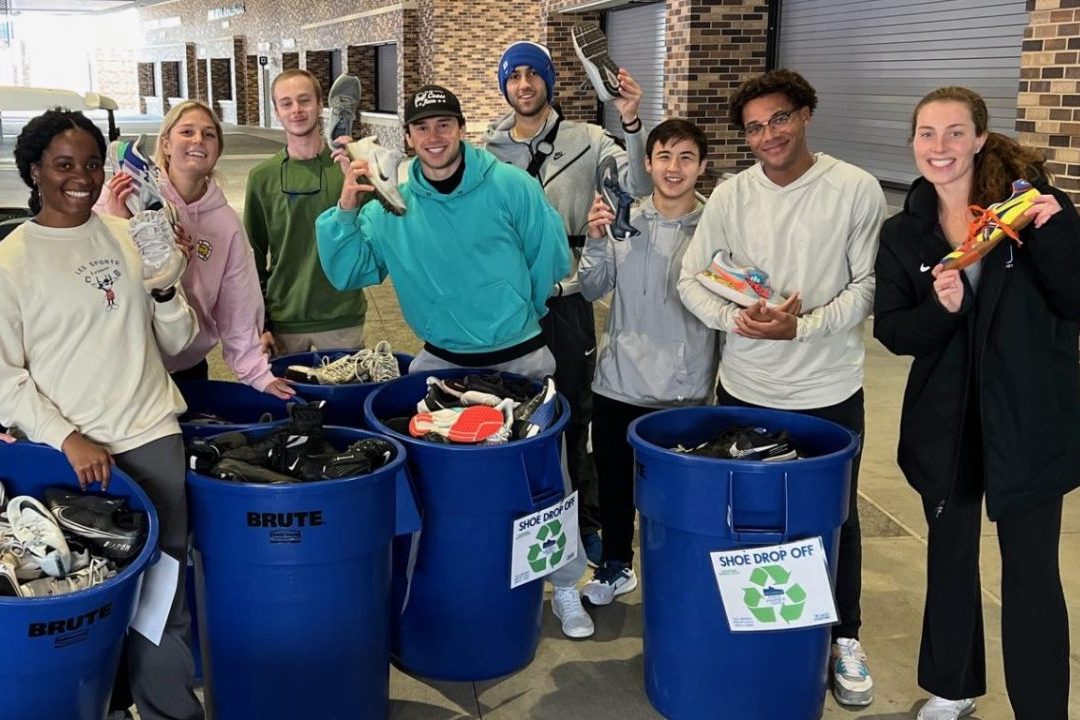
Each spring, during the two-week period of move-out, Student Affairs Facility Planning and Operations partners with TROSA and Goodwill to accept donations of clothes, shoes, furniture, appliances and many other vital resources.

Resilient Voices Community Event
The Resilient Voices event, hosted by Duke RESILE, dedicated to advancing innovative, inclusive and actionable solutions to climate risk, attracted members of campus and the broader community.
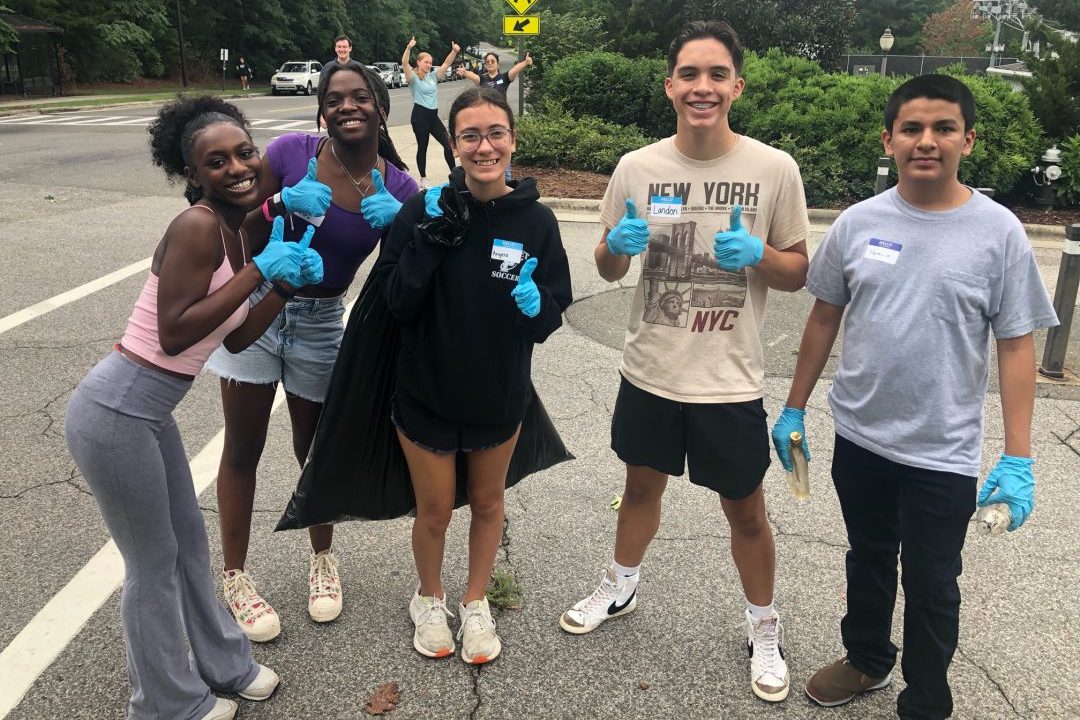
HackBio
In 2019, Jason Somarelli, assistant professor of medicine, and Meagan Dunphy-Daly, associate dean in the Nicholas School of the Environment, started a program for high school students who were interested in science careers. Somarelli had been the first in his family to attend college.

Duke Campus Farm and Community
Over 18,000 lbs of Duke Campus Farm produce was harvested and redistributed to community partners last year. Duke Campus Farm had over 360 volunteers helping with mulching, planting, and other tasks at the farm.
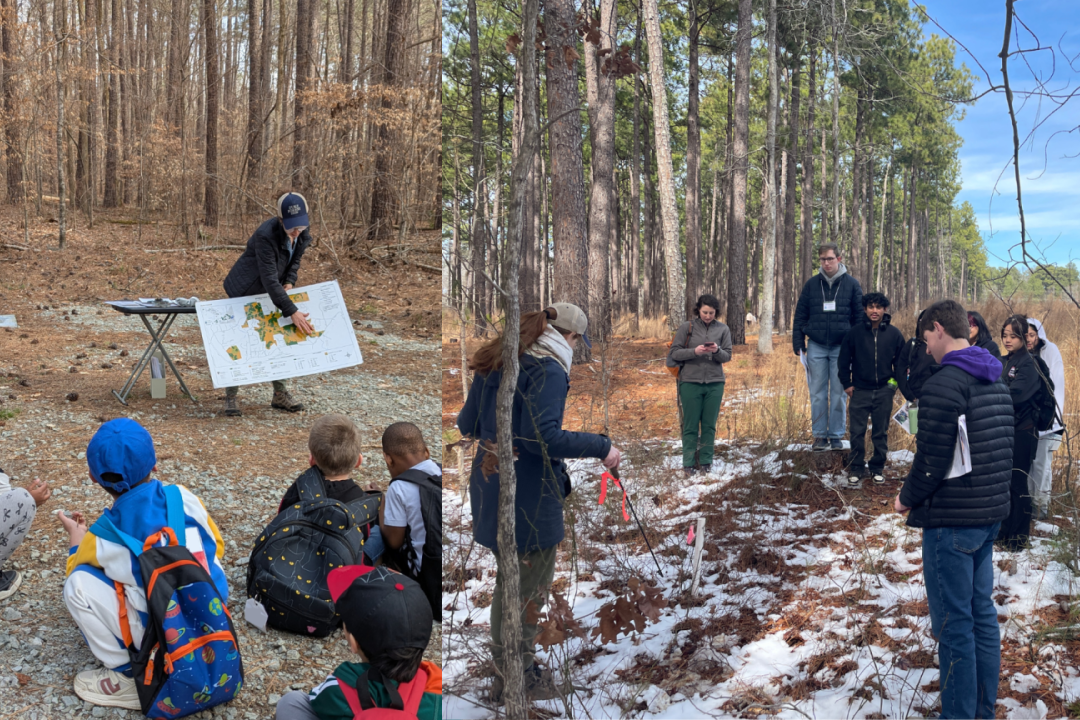
Schools and Community in the Duke Forest
As part of the Health and Environment Scholars Program at Duke (HESP), a group of Durham high school students visited the Duke Forest in spring 2025 for experiential learning.

Engineering and Climate Partnerships
An insurance salesman, an engineer and a priest working on climate projects. These are exactly the kind of unexpected collaborations being fostered by the Duke Climate Commitment.

Food Security Community Event
Duke Campus Farm brought together a panel of community organizations focused on food security in Durham to discuss their work and the challenges they’re facing. Nearly 50 community members and students sat in on the panel in February 2025.
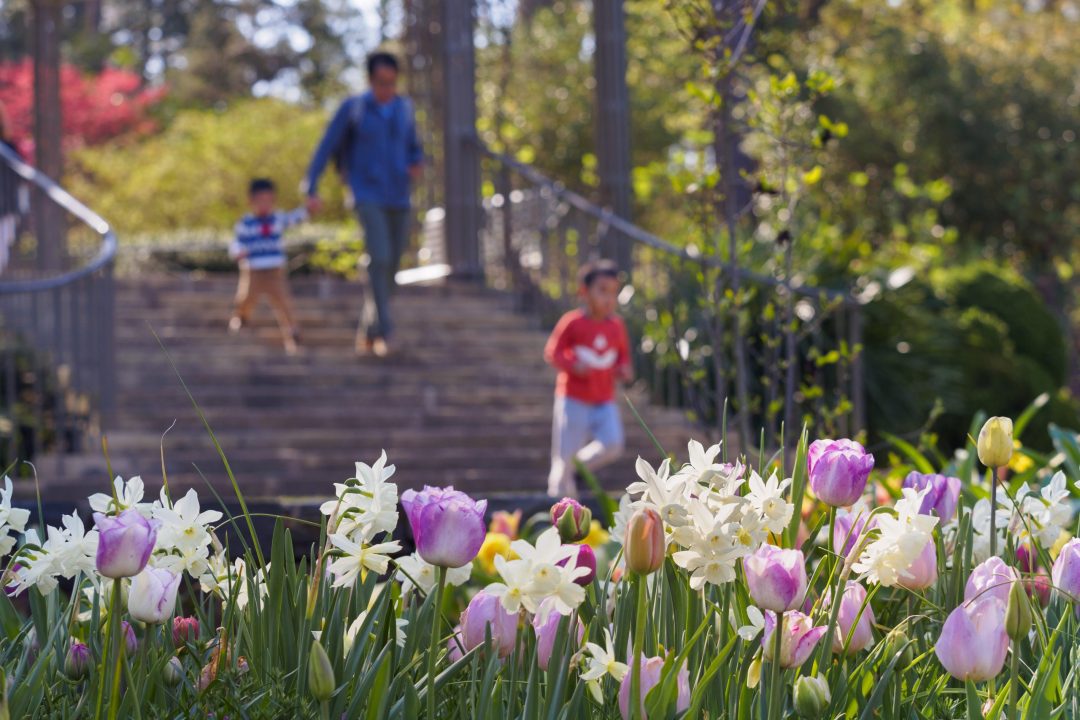
Duke Gardens in Community
Duke Gardens connects the campus to community every day. This year, Duke Gardens donated more than 400 plants at public events hosted by community partners.
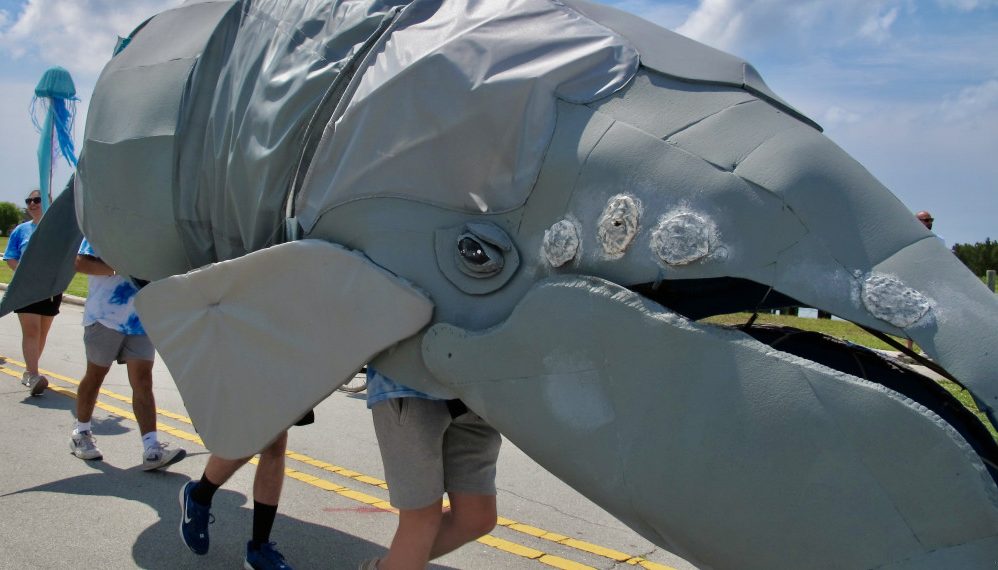
Resilience with Puppetry
This summer, Duke University’s Professor of Theater Studies Torry Bend led a six-week initiative in Beaufort, N.C., blending puppetry with environmental education.

Community-engaged Student Research
Studying climate change can be emotionally taxing, but Duke senior Kendra Rentz T’25 found hope and purpose through community- engaged research.
Athletics for Sustainability and Community
Through grassroots efforts led by the Duke Sustainable Athletics Group (DSAG), students are reducing their environmental impact and also making sports more accessible.

Project Earth EnviroFair
Several community organizations participated in Duke’s Project Earth EnviroFair tabling event so students could begin building relationships with local climate and sustainability groups.

Center for Community Engagement
The early 2025 launch of Duke University’s Center for Community-Engaged Scholarship is helping to bolster purposeful partnerships with the city, region and the nation.
Organizational Structures
The Duke Climate Commitment is a university-wide call to action that invites every member of our campus and broader community to take part in advancing Duke’s climate and sustainability efforts. It is a shared endeavor that draws strength from collaboration across all schools, units and disciplines. To help guide and amplify this collective work, Duke has established structures that provide strategic direction, coordination and communication for the Climate Commitment. The Climate Commitment Advisory Council brings together leaders and experts from across the university to align priorities and foster innovation. The Office of Climate and Sustainability serves as a central hub to connect ideas, support partnerships and drive implementation of key initiatives.
Climate Commitment Advisory Council (CCAC)
Duke launched the Climate Commitment Advisory Council to create an inclusive governance structure to guide the Climate Commitment.
The Climate Commitment Advisory Council (CCAC) was created as a representative advisory body to provide increased opportunities for diverse campus and community constituents’ voices to be heard within an effective planning and implementation structure. The CCAC allows for high-level oversight and input into the climate and sustainability work at Duke while providing an inclusive structure for stakeholders to engage in decision making and prioritization.
The CCAC reports to Duke’s Executive Leadership and is led by Vice President and Vice Provost for Climate and Sustainability, Toddi Steelman, with co-vice chairs Tavey Capps, Executive Director of Climate and Sustainability, and Brian Murray, Director of the Nicholas Institute for Energy, Environment & Sustainability. Its primary functions include:
– Supporting the University vision on climate and sustainability by advising on high-level strategy, providing feedback from campus constituencies, and developing recommendations and accountability measures for success
– Engaging students, faculty, staff and community partners to share information about Duke’s climate and sustainability priorities and initiatives
– Identifying and supporting opportunities for Duke to accelerate societal action on climate solutions to enhance impact
The CCAC is comprised of four subcommittees focusing on Climate Commitment pillars (education, research, campus operations, and external engagement) with the cross-cutting themes of community partnerships and justice, equity, diversity, and inclusion. These four subcommittees are comprised of students, staff, and faculty across Duke and are responsible for developing recommendations for strategic priorities that move Duke towards its Climate Commitment vision.
Office of Climate and Sustainability
The Office of Climate and Sustainability was established in July 2023 in order to spearhead Climate Commitment efforts.
The Office of Climate and Sustainability (OCS), led by Toddi Steelman, Vice President and Vice Provost of Climate and Sustainability, was created in July 2023 to align resources in support of Duke’s Climate Commitment. In summer 2024, the original OCS team merged with Sustainable Duke. Currently, the OCS is comprised of a core team of fourteen staff and faculty and the Duke Forest, Sarah P. Duke Gardens, the Duke Campus Farm, and the Nicholas Institute for Energy, Environment, & Sustainability.
The OCS is the primary driver of Duke’s Climate Commitment and serves a variety of functions including,
– Moving key strategic goals forward by coalescing thought leadership and providing incentives for achieving key goals,
– Working with key stakeholders at Duke and beyond to leverage support and expertise in education, research, campus operations, and external engagement and partnerships,
– Facilitating collaboration and ensuring sound communication across constituencies, and
– Collaborating with senior leadership, Duke’s ten schools, and other university units to distribute resources so key stakeholders can achieve their objectives.
Year in Review
Explore more highlighted programs and events that showcase the infusion of Duke’s Climate Commitment throughout the entirety of Duke’s institutional mission.
Looking for more?
Sign up to receive emails from the Duke Climate Commitment for the latest news, events and updates.
September
September 3, 2024: Tackling Barriers to Climate Change Goals Worldwide
September 2024: Climate Commitment 2nd anniversary
October
October 1, 2024: Oct. 10 Forum Aims to Connect Faculty with Climate and Each Other
October 16, 2024: Duke’s Journey to Carbon Neutrality
October 17, 2024: Fall 2024 Duke Climate Commitment Town Hall
October 24, 2024: Climate Commitment Awards
November
November 11-15, 2024: Energy Week at Duke
November 12, 2024: Duke Experts, Students Take Part in United Nations Climate Change Conference
November 14, 2024: The Duke Forest Gathering
December
December 3, 2024: Artificial Intelligence and Climate Change: A Crucial Dialogue for the Future
December 10, 2024: Q&A with Sara Mason: The Department of the Interior Nature-Based Solutions Roadmap
December 11, 2024: The Duke Experience at COP29
January
January 9, 2025: Climate Change and the Brain
January 9, 2025: Beyond the Finish Line: Duke University’s Trailblazing Path to Carbon Neutrality
January 14, 2025: Duke Experts Offer Resources for Activating Nature
January 16, 2025: Plus Programs Information Fair
January 22, 2025: When a Disaster Hits Home
January 23, 2025: DGHI to Launch Global Network of Climate Observatories
January 23, 2025: Force of Water film screening
January 24, 2025: Planting the Seeds for a More Sustainable Future | Duke Pratt School of Engineering
January 24, 2025: Bass Connections Information Fair
January 24, 2025: Checking the Climate Policy Pulse
January 31, 2025: Power Lunch with Jeff Soplop, MS’13
January 31, 2025: Climate Cafe
February
February 1, 2025: Duke Forest Research Tour
February 3, 2025: Duke Gardens Gateway Construction Begins
February 6, 2025: Duke Women’s Basketball Climate and Sustainability Game
February 7, 2025: Power Trip to West Campus Steam Plant
February 7, 2025: Duke Experts Provide Clearest Picture Yet of Global Building Emissions
February 8, 2025: A Slam Dunk for a Sustainable Environment
February 11, 2025: The Duke Forest: A Regional Hub for Climate Science and Discovery
February 12, 2025: Climate Pathfinders: Tyler Ratcliffe Brings the Energy
February 13, 2025: Climate Research Resources Webinar
February 13, 2025: Duke Names Seven New Climate Scholars
February 14, 2025: Duke and Duke-NUS forge new frontiers in climate health research with S$1million funding
February 14, 2025: Climate Cafe
February 19, 2025: Rethinking Load Growth: Assessing the Potential for Integration of Large Flexible Loads in U.S. Power Systems
February 19, 2025: Fuqua Sustainable Business and Social Impact Conference
February 20, 2025: New Course Links Lessons on Climate and Health
February 24, 2025: Heat-Stressed Reefs May Benefit From Coral-Dwelling Crabs
February 25, 2025: A Front Door to Community-Engaged Research That Benefits Durham and Duke
February 26, 2025: Duke Campus Farm food security panel
February 26, 2025: How Duke Law is tackling the big problem of little plastics
February 27, 2025: Our Climate Commitment – Q&A with Toddi Steelman
February 28, 2025: Climate-Related Migration & Displacement: Crossing the Threshold of Habitability
February 28, 2025: Climate Cafe
March
March 9, 2025: In the Heart of Vanilla Country, Farmers on the Climate Frontlines Struggle to Adapt
March 11, 2025: Powering the Future
March 17, 2025: Putting Climate Talk on Low Heat
March 24, 2025: Climate Commitment Student Town Hall
March 24, 2025: Building Resilience Through Stories of Nature and Community
March 24, 2025: AI and Applying Machine Learning to Oceans Science
March 24-28, 2025: Oceans Week at Duke
March 25, 2025: Students of All Ages Learn in the Duke Forest Classroom
March 25, 2025: Democracy in Power: The Past and Future of Energy in America
March 25, 2025: Wildfires, Climate Change, Risk, and Insurance
March 25, 2025: Policy & Governance for Marine Megafauna Conservation in Latin America
March 26, 2025: ACR Presents Carbon Market Awards at Annual Gala – ACR
March 26, 2025: Sustainable Conversations
March 26, 2025: Hope in the Water Documentary Screening
March 26, 2025: Nicholas School Alumni Career Panel: Deep Dive into Ocean Policy
March 27, 2025: Careers in Environmental & Marine Science: a speed-networking event
March 27, 2025: Addressing Extreme Heat through Faithful Community Resilience
March 27, 2025: Ocean Policy Working Group Marine Plastic Pollution Symposium
March 28, 2025: Ocean to Table: Climate-Resilient Innovations for Sustainable Blue Foods
April
April 2, 2025: Spotlighting Women in Energy: A Photo Essay
April 2, 2025: Photo Essay: Blue Devils Dive into Oceans Week
April 3, 2025: Languages of Sustainability Symposium
April 3, 2025: Southeast Electric Transportation Regional Initiative (SETRI) April 2025 Meeting
April 5, 2025: How Churches and Communities Are Teaming Up for Climate Resilience
April 7, 2025: Photo Essay: Sustainability Conference Held at Duke brings together 23 universities
April 9, 2025: The Fungal Fallout of Climate Disasters
April 4-6, 2025: Southeastern Student Sustainability Conference at Duke
April 5, 2025: MBA FoodCon: Reimagining the Food Value Chain
April 8, 2025: Energy Transitions & Investment in Emerging Markets: Navigating Shifting Undercurrents
April 8, 2025: Innovative Strategies for Addressing Climate-Related Health Challenges
April 8, 2025: Energy and Climate Ventures Reception + Talks
April 9, 2025: From Billions to Trillions: Catalyzing Private Investment in Climate Solutions
April 10, 2025: Photo Essay: Community Food Security Panel with the Duke Campus Farm- the Importance of Mutual Aid and the Power of Community
April 10, 2025: Duke School of Nursing Planetary Health Fair
April 10, 2025: Enviro-Art Gallery Opening Night
April 10, 2025: Embedded Planning is the Future!
April 11, 2025: Climate Cafe
April 14, 2025: Climate Cafe
April 15-17, 2025: Super South | Summit for Climate Innovation Capstone Challenge
April 16, 2025: Duke Convenes Experts to Forge Path for Climate Investment
April 16, 2025: 2025 Fortin Foundation Bass Connections Showcase
April 16, 2025: Info Session: United Nations Framework Convention on Climate Change (UNFCCC) Practicum
April 16, 2025: Duke Athletics Week of Service: Duke Campus Farm
April 19, 2025: Flora and Fauna Tour at Duke Forest
April 19, 2025: Duke Campus Farm Spring Contra Dance
April 19, 2025: EarthFest
April 21, 2025: DUSON Links Climate and Health
April 21, 2025: Climate Pathfinder: Leading the Green Devil Way
April 21, 2025: Duke Athletics Climate Team: Leaders on and off the Field
April 21, 2025: Bridging Healthcare and Climate Advocacy
April 21, 2025: Duke School of Nursing Roots and Remedies Book Club
April 23, 2025: How Drones are Transforming Research in the Duke Forest and Beyond
April 23, 2025: Duke Department of Obstetrics and Gynecology Climate Action Day
April 24, 2025: Gallery Guide Tour: Earth Day at Nasher Museum
April 24, 2025: Ocean Engineering Course Provides Hands-on Design Experience at the Atlantic Ocean
April 29, 2025: Climate Pathfinders: Dhruv Rungta’s Unusual Approach to Solving Environmental Problems
April 30, 2025: Taking Action for Climate, Health, Mothers and Babies
April 25, 2025: Climate Cafe
April 25, 2025: Info Session: United Nations Framework Convention on Climate Change (UNFCCC) Practicum
April 27, 2025: Rooted Responses to Climate Change: a tour workshop at Duke Gardens
May
May 1, 2025: Introducing the DGHI Climate Change and Global Health Initiative
May 5, 2025: What We Still Don’t Know About Kids and Climate Change
May 8, 2025: 2024–2025 Bass Connections Projects Take on Environmental and Energy Challenges
May 9, 2025: Predicting the Rise of Ghost Forests in Eastern North Carolina
May 10, 2025: Through Community-Engaged Research, This Student Found Her Path to Fighting Climate Change
May 14, 2025: Climate Pathfinders: For Trisha Dalapati, Medical Research Is Personal
May 15, 2025: EcoEd: Teaching to Attest — Keynote talk, EFAN 2025 Durham Workshop
May 17, 2025: Planting Day at the DPAP Wellness Garden
May 19, 2025: Kickoff of Climate+ programs
May 20, 2025: Duke Junior is Recipient of Udall Scholarship | Duke Today
May 21, 2025: Update and New Directions: The Department of the Interior Nature-based Solutions Roadmap
May 23, 2025: Drones, Data and Discovery: Mapping Change in Antarctica
May 28, 2025: Summit Advances Duke Climate Connections and Ideas
June
June 4, 2025: For Securing the Nation’s Energy Supply, North Carolina Is Critical
June 4, 2025: Climate Pathfinder: Anchored in Ocean Entrepreneurship
June 4, 2025: SCALe Spotlight: Roger Conner
June 9, 2025: Duke Law Clinic to Begin Water and Soil Testing at Former Alcoa Plant
June 11, 2025: Webinar: A New Generation of Debt-for-Nature Swaps
June 11, 2025: Navigating the Future: Clean Energy, AI, and Grid Expansion Amid Policy Shifts
June 16-22, 2025: Pollinator Week
June 18, 2025: Food Webs, Climate Change and One Equation to Rule Them All | Office for Faculty Advancement
June 18, 2025: Microplastics Are Everywhere. Here’s What Duke Research Is Doing About Health Concerns
June 19, 2025: Ocean ‘Greening’ at Poles Could Spell Changes for Fisheries
June 21-29, 2025: Duke at London Climate Week
June 24-26, 2025: HeatWise Policy Partnership Summit