Experiential Learning Edition
Application Deadline
Submit an application by Friday, February 6, 2026, at 11:59 PM EST.
Program Overview
The new “Experiential Learning Edition” of the Climate and Sustainability Teaching (CAST) Fellows Program provides tangible support and a peer learning community for Duke faculty who are interested in revising an existing course to engage with climate and sustainability concepts through experiential learning components.
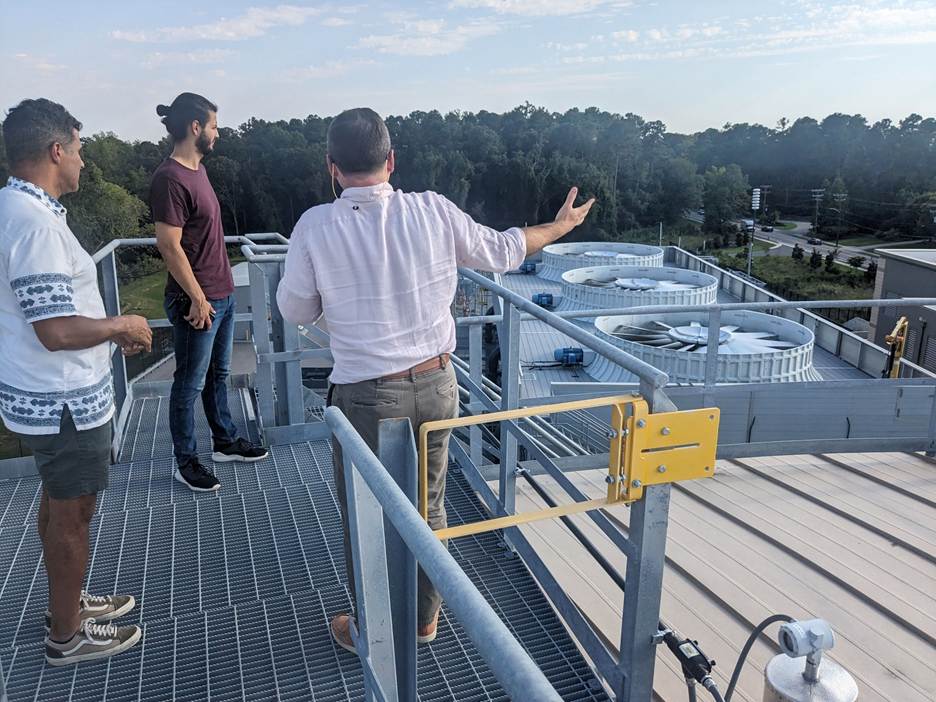
Through hands-on activities, the kickoff of the program will include interactive site visits, peer-to-peer faculty knowledge exchanges, syllabus revision support, and insights into globally recognized climate and sustainability pedagogical frameworks and competencies.
Courses revised through the Fellowship shall be taught in Fall 2026 or Spring 2027.
Courses that do not already incorporate substantial climate or sustainability connections will be prioritized for acceptance to the program.
No prior expertise required with climate or sustainability topics to participate in the program. Educators from all academic departments are welcome to submit an application.
Fellows will receive:
- $4,500 deposited to their Duke discretionary or professional development account;
- Resources, support, and guidance from Duke faculty and staff experienced in incorporating climate and sustainability principles into course curricula;
- The opportunity to foster lasting relationships with a cohort of faculty peers across disciplines at Duke
About the CAST Fellows “Experiential Learning Edition”
In support of the Duke Climate Commitment, the CAST Fellows program advances the vision that every student, regardless of discipline or school, will graduate with a strong foundation in climate and sustainability fluency.
The program is administered by the Office of Climate and Sustainability, including experts from the Duke Forest, Duke Gardens, Nicholas Institute for Energy, Environment and Sustainability, and Duke Campus Farm, among other contributors from academic departments across Duke.
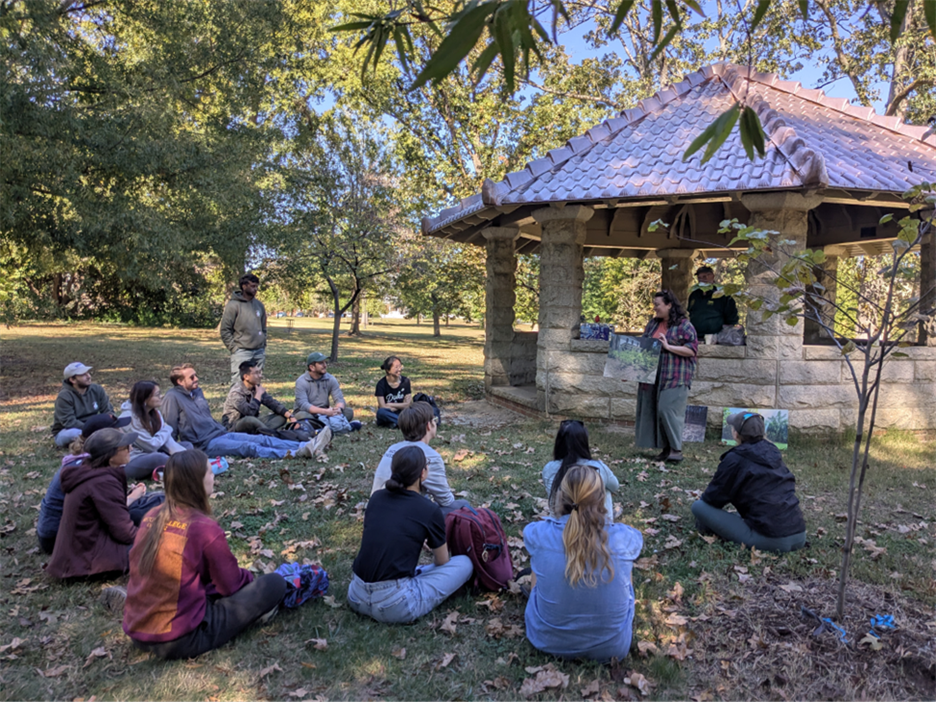
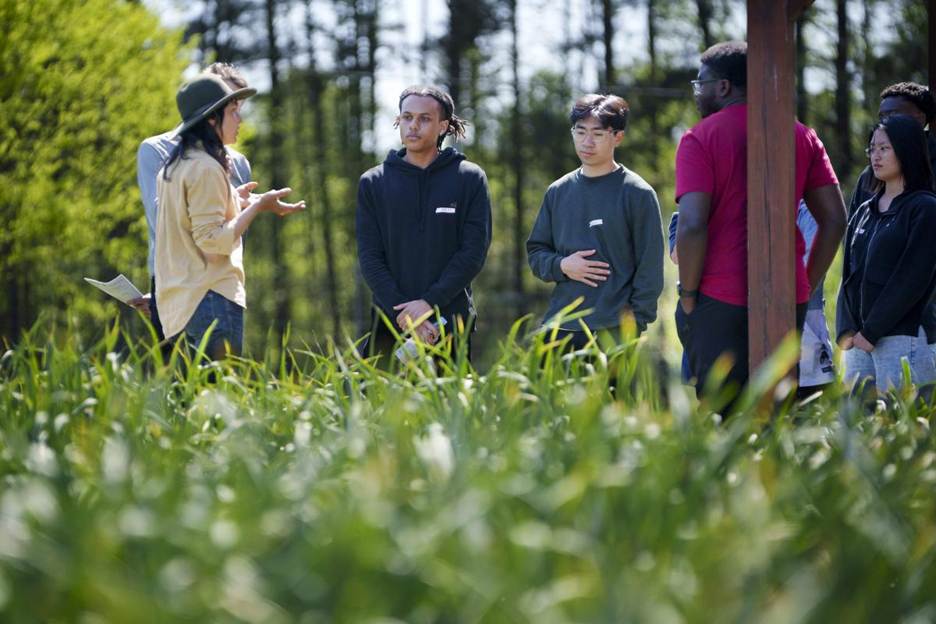
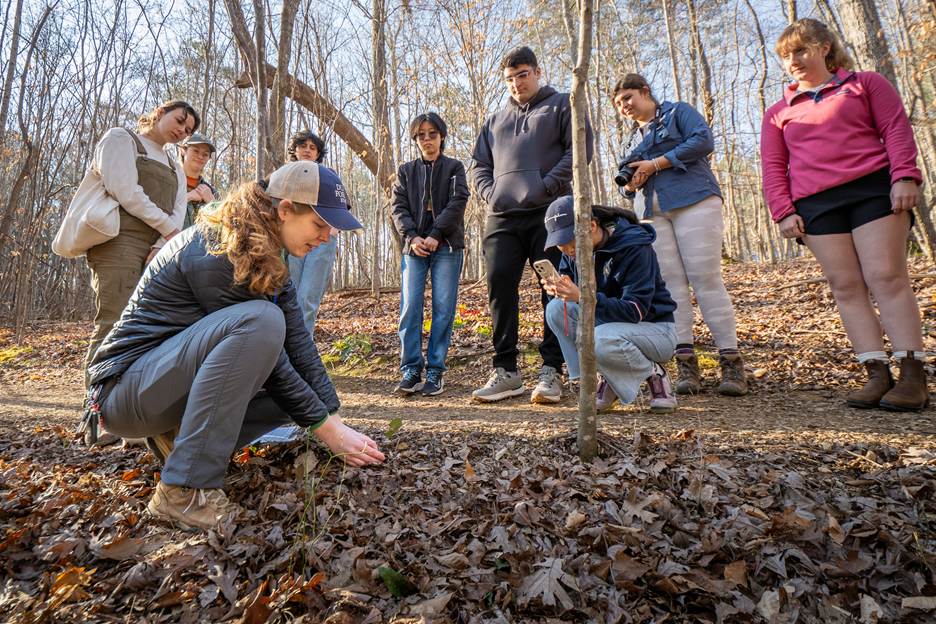
This year’s “Experiential Learning” theme invites faculty to creatively use Duke’s campus as a living learning laboratory, designing transformative student experiences that inspire intentional action on sustainability and climate challenges relevant to everyday campus and community life. Experiential learning can take many forms, especially when layered with a strong sense of place and local or global connections. Experiential learning may look different for every course – from project-based learning to field trips or role-playing, there are many teaching tools to choose from.
Application submissions are not required to include a fully developed idea of how you’ll incorporate climate or sustainability into the course.
The workshop training will feature:
- Globally recognized pedagogical and competency frameworks that showcase best practices for sustainability and climate education and assessment;
- Site visits to places on and around campus that will demonstrate ways in which Duke’s unique place-based assets such as the Duke Forest, Duke Campus Farm and Duke Gardens can strengthen climate and sustainability learning through real-world challenges and opportunities;
- Foundational knowledge about the Duke Climate Commitment and applications of sustainability in action at Duke University which can be embedded into any course;
- Hands-on activities and knowledge exchanges from past CAST Fellows, other Duke faculty, and campus sustainability experts;
- A guided process to support the revision of each Fellow’s course with the help from teaching peers across campus and a provided toolkit of resources.
Program Dates and Time Commitment
- Immersive 3-day workshop from Tuesday, May 5 to Thursday, May 7, 2026 to start the course revision process and build community
- May 5 from 9:00 am to 4:00 pm
- May 6 from 9:00 am to 4:00 pm
- May 7 from 9:30 am to 3:00 pm
- Two additional gatherings will take place at the end of Fall 2026 and Spring 2027 (based on cohort availability) to share lessons learned from the implementation of the revised courses.
Program Requirements
In addition to participating in the in-person cohort meetings outlined above, fellows are expected contribute the following by the end of spring 2027:
- Submit a revised course syllabus featuring climate and sustainability connections;
- Submit a paragraph summary about the components of the course that were redesigned to engage with climate and sustainability topics (see examples);
- Write a brief website article about their approach to course redesign, (see examples);
- Serve as a CAST ambassador by sharing the results of their revised course at a faculty or department meeting to demonstrate climate and sustainability learning as a university-wide priority. The meeting serves to outline students’ response to the new material and any lessons learned through the redesign process to incorporate climate or sustainability connections. Alternative avenues for ambassadorship may be considered if proposed by the Fellow.
- Fellows should plan to teach the revised course either Fall 2026 or Spring 2027.
- Fellows should confirm support from their academic unit to offer the redesigned course on a regular basis (offered a minimum of 3 times in the 5 years following program conclusion).
Who is eligible?
- Faculty of any level and rank, instructors, or staff with instructional responsibility from any Duke University or Duke Health System unit may apply. This program will form a diverse cohort of fellows who can learn from one another and share perspectives from a wide variety of disciplines represented at Duke.
- The program welcomes faculty and instructors who are just starting their climate and sustainability learning journey or already deep in it.
- Fellows of previous CAST Fellow cohorts are ineligible to participate as the program aims to broaden its reach to a larger pool of educators.
- The courses chosen for the redesign process may be targeted at Duke undergraduate, graduate and/or professional students.
The program might be for you if you’re considering:
Teaching Through the Lens of Duke’s Unique Places
- Do you want to host class in a uniquely Duke landscape like the Duke Forest while drawing sustainability connections to your existing learning objectives?
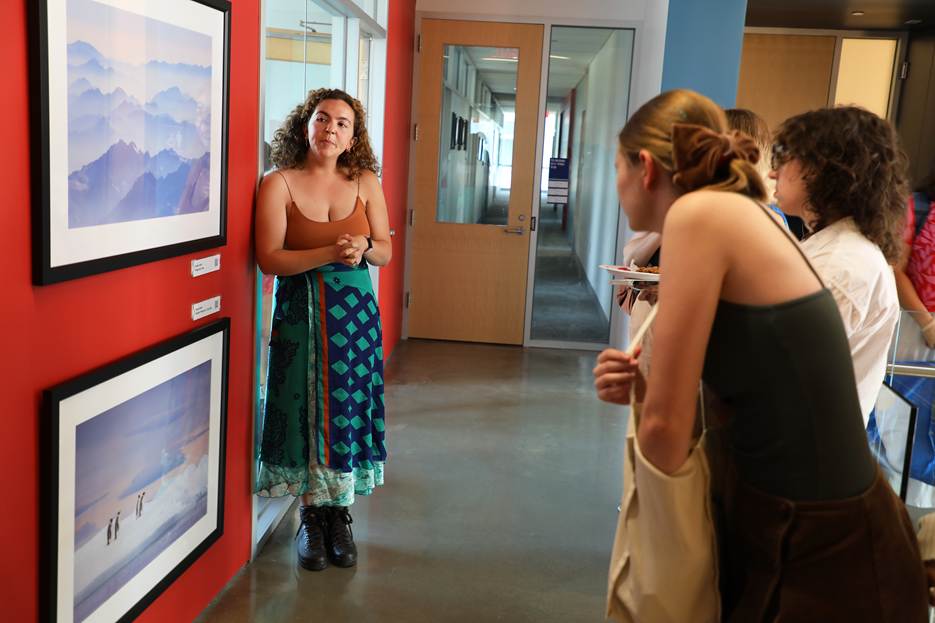
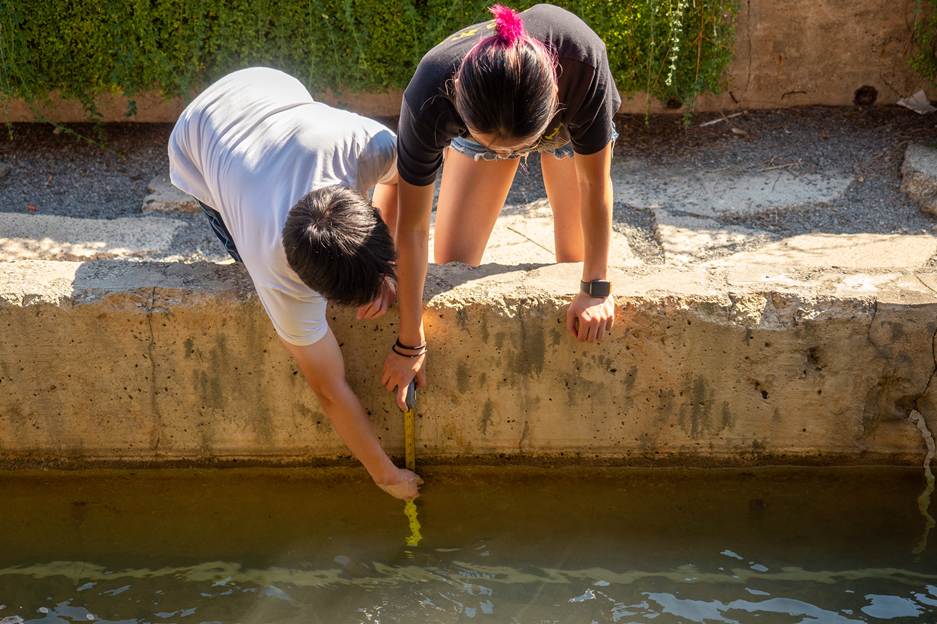
- Ever wondered how to incorporate places like the Duke stormwater retention pond, Duke Gardens, the Duke Campus Farm, or Nasher Museum of Art into your course?
Connecting to Broader Frameworks and Goals
- Interested in how your course connects the dots with the 4C fluency framework and broader Duke Climate Commitment goals?
- Have you considered working with a campus department for a class “client project” to influence campus sustainability outcomes?
Designing Transformative Learning Experiences
- Pondering how you might create transformative learning experiences that build students’ awareness of climate change and its relevance to their lives while inspiring an urgency to act with relevant skills and knowledge?
- Curious how you might invite students to share stories of how they’ve been impacted by or acted on climate—and how these actions have shaped their sense of purpose and self-efficacy?
Innovative Teaching Strategies
- Are you interested in field-based, community-engaged, and problem-based teaching strategies that ground students’ learning in real-world climate or sustainability challenges?
- Thinking about creating collaborative projects that foster systems thinking, historical awareness, ethical reflection, and inclusive storytelling?
Financial Compensation
- Fellows who fully participate in all required meetings and activities will receive $4,500 transferred to their discretionary or professional development account.
- Lack of participation may result in a pro-rated award.
- Stipends for fellows will be dispersed in two cycles. The first cycle will occur after the kickoff workshop, and the second will occur at the completion of the program.
Creating a Community of Accountability
- If a participant has an unexpected and unavoidable scheduling conflict with any program sessions, they should communicate in advance with the program organizers to discuss options for accommodations and identify steps for making up missed meetings. Strong communication is expected of fellows.
- Failure to meet program expectations will result in a reduced stipend.
Application Process
Applications should be submitted by Friday, February 6, 2026, at 11:59 PM EST via the application form.
Upon application, you are not required to already have a concrete or fully developed idea of how you’ll incorporate climate/sustainability experiential learning into your course. The workshop and cohort will help you brainstorm possibilities.
Note that climate and sustainability concepts can connect to ANY course or academic discipline. The Fellowship is not limited to courses within STEM fields.
The submission form requests the following information:
- Applicant and co-applicant (if any) information;
- Information about the course to be revised including an uploaded existing syllabus;
- Responses to three short prompts;
- Any reasonable accessibility accommodation requests to participate fully in the program;
- Uploaded letter of support from applicant’s appropriate supervisor, department chair, or department director, including:
- Alignment with the curricular priorities and needs of the unit,
- The intent to offer the course at least 3 times in the coming 5years,
- (Optional) Alignment of the course redesign with other unit activities related to climate and sustainability,
- (Applicable only to academic staff applications) Approval from supervisor that staff may allocate time from their regular workday to full program participation.
What if I co-teach my course?
Faculty who are co-teaching a course (or faculty who teach different sections of a course) may submit one letter of support. The application should make clear that the course will be co-taught and should clarify whether one or more faculty members intend to participate in the program.
If two or more instructors are co-teaching a course, they may co-apply to this program. If co-applicants each participate fully, a total of $5,000 will be dispersed evenly among them.
What if I am a staff member in a teaching role?
- Staff serving in an academic role should have an outlined agreement from their managers that participating in program activities will be considered part of their regular work assignment throughout the duration of the program (rather than being considered an overload).
- Staff serving in an academic role will receive the program stipend by way of funds toward a professional development account which may be put toward professional development purposes such as: conference and business meeting travel; coffee and food expenditures to sustain relationships with students; books; conference registrations and professional memberships for self; and more which will be outlined in an agreement.
How might I incorporate climate and sustainability into my class to help my students build their knowledge and skills in these areas of interest?
Read below for examples of exciting teaching innovations led by past CAST Fellows and other faculty on Duke’s campus:
CAST Fellows Bring Climate and Sustainability into Classrooms Across Duke
- The 2024-2025 CAST Fellows cohort integrated climate and sustainability learning into their respective courses
- In FRENCH 101: Elementary French I, Germain Choffart, introduces sustainability themes into early language study through course modules and visits to TROSA, the Nasher Museum, and Duke Campus Farm.
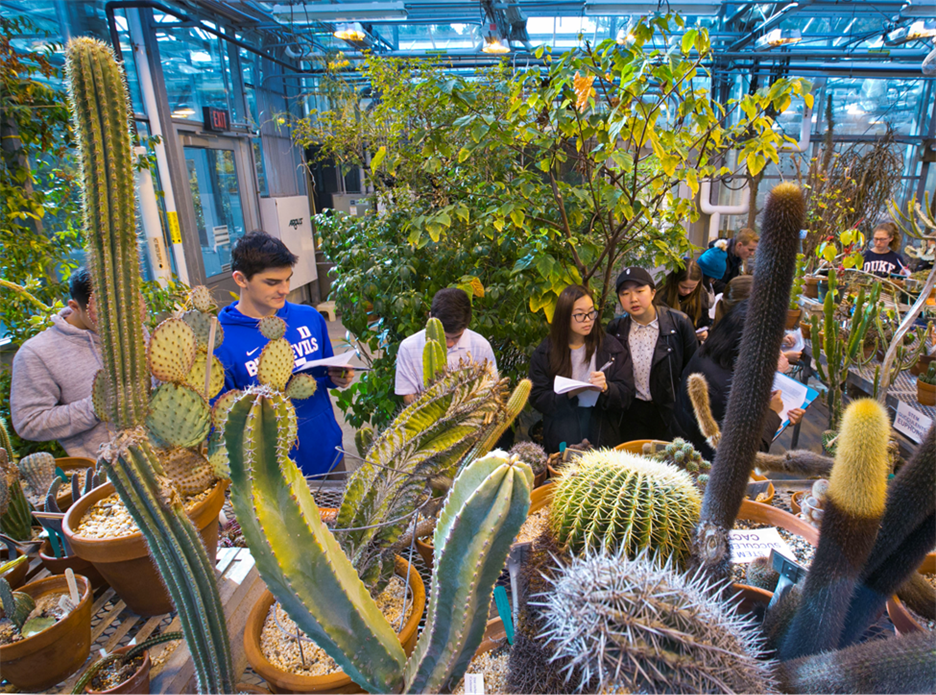
Shannon Parker Incorporates Campus Athletics and Campus Recycling into Projects
- Students served as “consultants” for experiential learning projects related to campus operations in Athletics and Housing departments. Students took away meaningful skills relevant to the course objectives in Parker’s course, Sustainable Operations and Supply Chain.
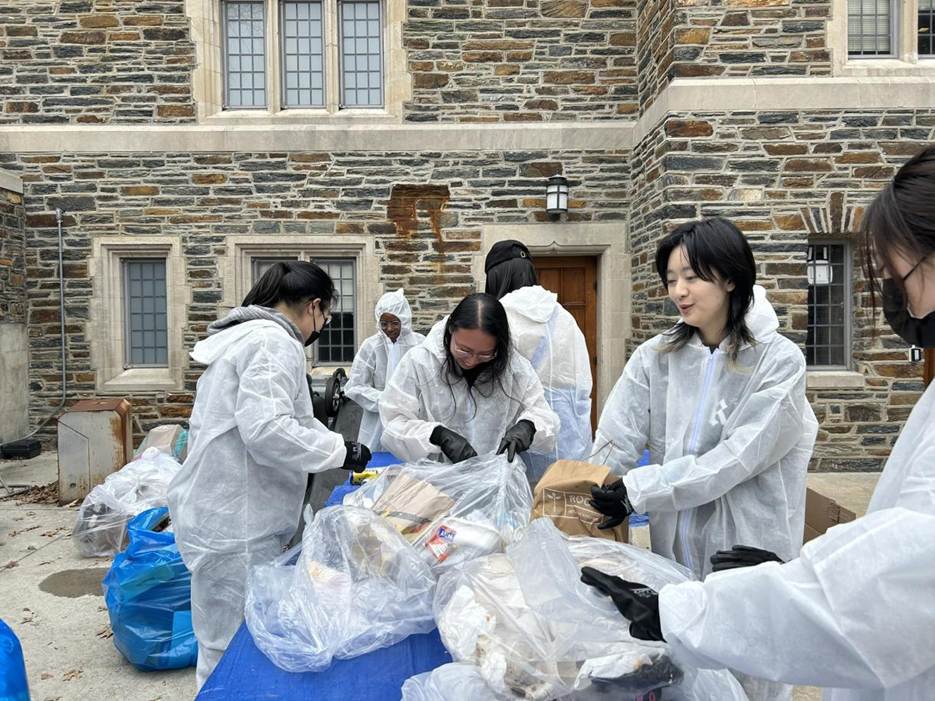
Aunchalee Palmquist Brings Students to Duke Gardens & Nasher Museum
- Former CAST Fellow Dr. Aunchalee Palmquist used Duke as a “living learning laboratory,” by bringing students on visits to Duke Gardens, Duke Campus Farm, and Nasher Museum of Art to explore themes including:
- Connections between plant life and Indigenous practices
- Importance of food justice
- Art as a medium for understanding climate change and the Anthropocene
Char Clark Promoting Collective Action
- Professor Clark routinely incorporated an experiential learning assignment that required her students to experience the world through the lens of sustainability.
- Students could ‘choose their own adventure’ by participating in hands-on engagements outside of class such as a campus tree planting and volunteer work at the Duke Campus Farm. Students then wrote a personal reflection on their experience and its relevancy to topics taught in class.
- Did you know? Years ago, a project-based assignment from Professor Clark’s course resulted in the launch of the Duke Campus Farm through student-led initiative!
Applied Learning Project Library and Campus Needs List
- Visit the Applied Learning Project Library and SCALe Campus Needs List to explore more examples of student and faculty-led and campus-based projects.
Review Process
The selection process will be overseen by the Office of Climate and Sustainability. Decisions will be tentatively made by the end of March 2026.
Contact Information
For any questions or to talk through specific ideas for your application, please contact Emily.Bilcik@duke.edu.