Juliet Wong, assistant professor of coastal and marine climate change, uses a combination of physiological and molecular approaches to study how marine invertebrates, like sea urchins, respond to their changing environments. Photographed at the Duke Marine Lab, where Wong is based as a Nicholas School of the Environment faculty member.
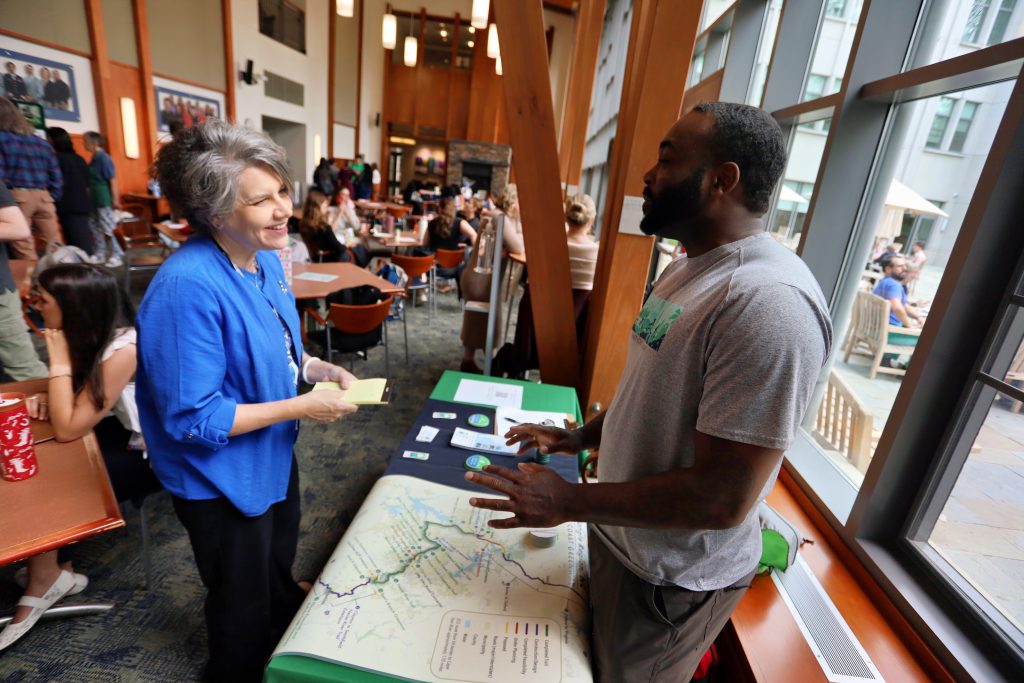
Ashley Ward’s work focuses on strengthening community resilience and protecting human health in the face of environmental challenges. She directs the Heat Policy Innovation Hub at Duke University’s Nicholas Institute for Energy, Environment & Sustainability. In this role, Ward brings together scientists and communities to develop and deploy innovative policy solutions that reduce the impacts of extreme heat on human health and well-being.
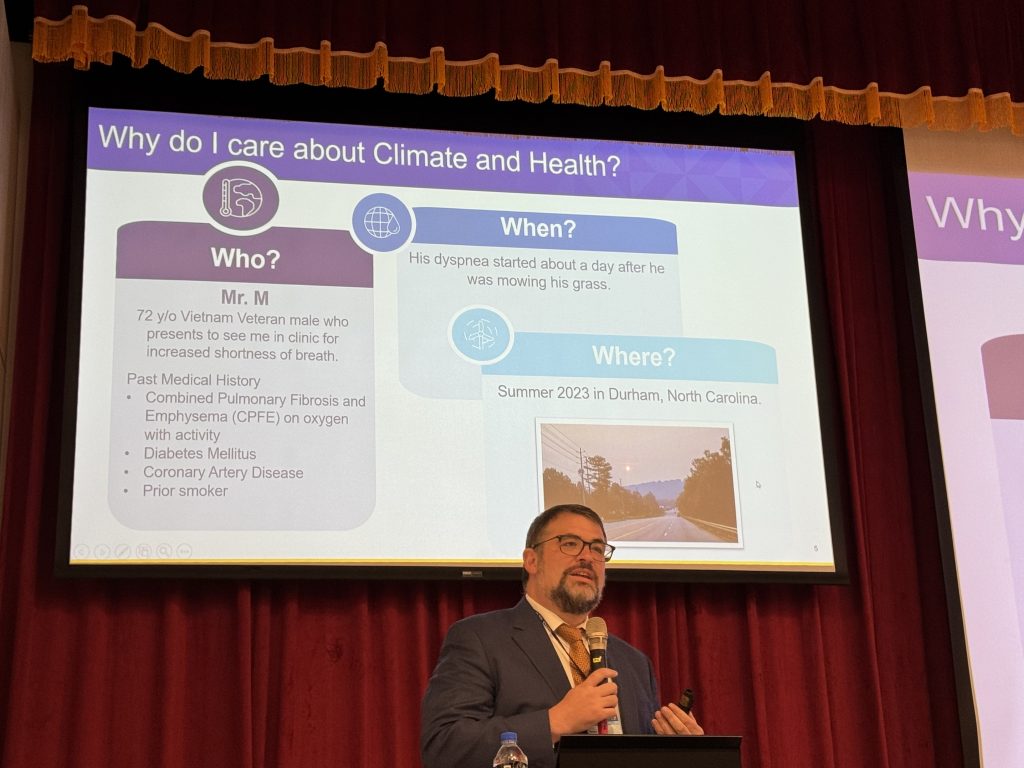
Robert M. Tighe, MD, leads the Duke School of Medicine’s research strategy on the impact of climate change on health. Tighe’s research focuses on pulmonary basic translational studies to define susceptibility factors and therapeutic candidate pathways relevant to human responses to environmental pollutants.
Brian Silliman is the Rachel Carson Distinguished Professor of Marine Conservation Biology. His teaching and research are focused on community ecology, food webs, conservation and restoration, global change, and evolution and ecological consequences of cooperative behavior.
Valerie Sabol, RN, PhD, MBA is Clinical Professor and inaugural Director of Planetary Health at Duke University School of Nursing. Her work is grounded in the understanding that human health, both mental and physical, is inseparable from the health of our planet.
Tim Profeta is an executive in residence at Duke University’s Nicholas Institute for Energy, Environment & Sustainability. His areas of expertise include climate change and energy policy, the Clean Air Act, and adaptive use of current environmental laws to address evolving environmental challenges.
Doug Nowacek is the Randolph K. Repass and Sally-Christine Rodgers University Distinguished Professor of Conservation Technology in Environment and Engineering. His research is focused on the link between acoustic and motor behavior in marine mammals, primarily cetaceans and manatees, specifically, how they use sound in ecological processes.
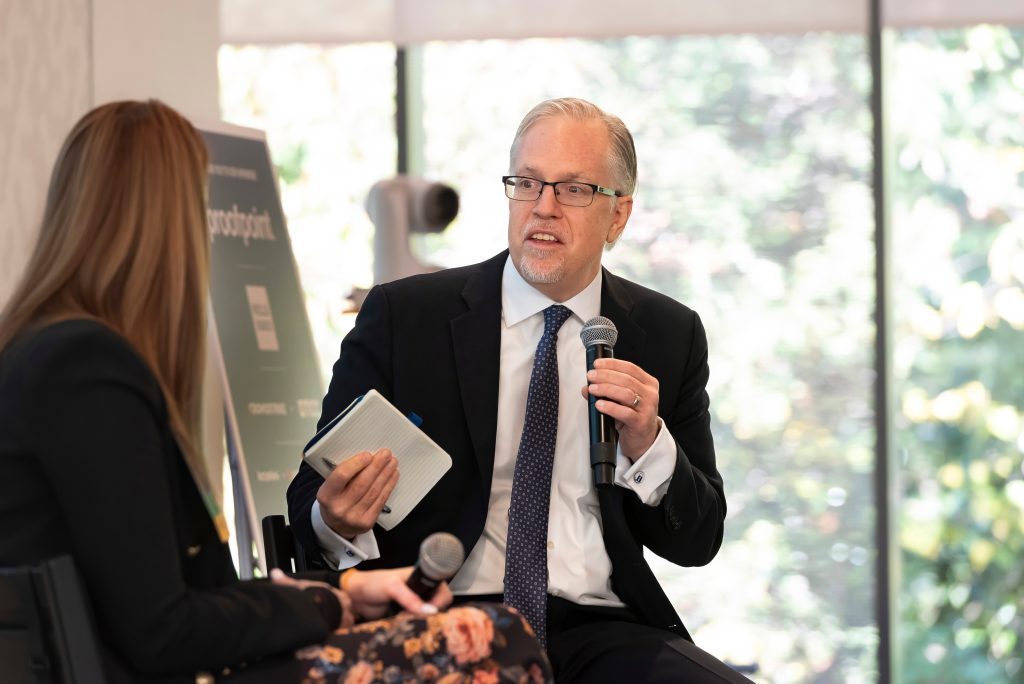
David Hoffman is the Steed Family Professor of the Practice of Public Policy and the Interim Director of the Duke Initiative for Science & Society. He came to Duke after 23 years at Intel Corporation, where he was associate general counsel focusing on artificial intelligence, cybersecurity, and privacy. At Duke, his work includes a focus on the climate impacts of technology.
Jackson Ewing is Director of Energy and Climate Policy at the Nicholas Institute for Energy, Environment & Sustainability. He recently led the 2025 practicum course focused around the United Nations Framework Convention on Climate Change (UNFCCC), the primary UN body for climate diplomacy around the world.
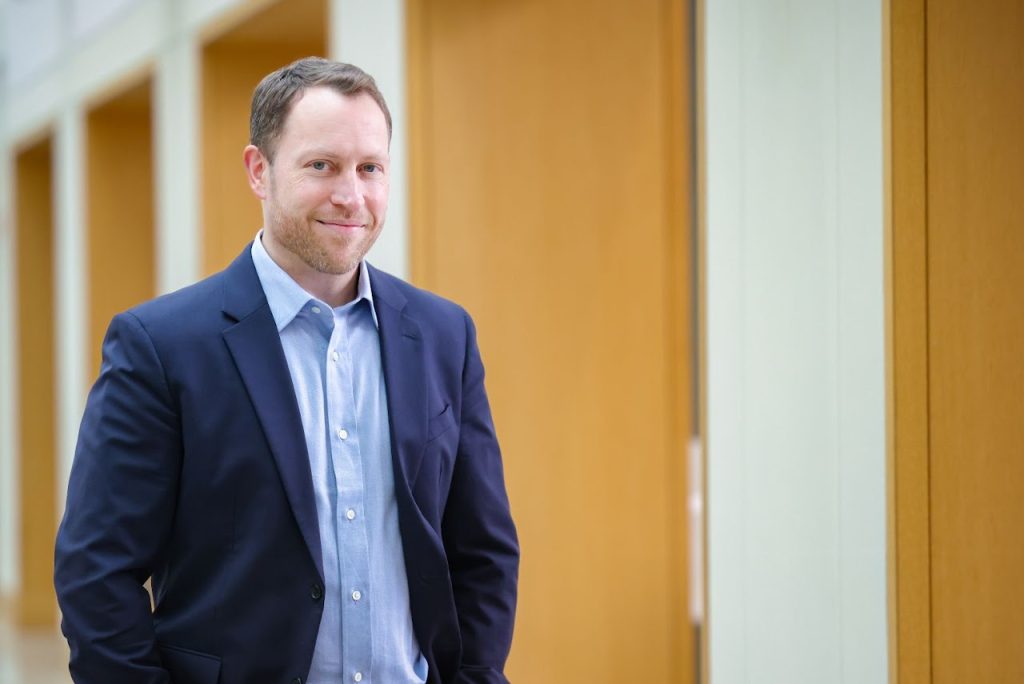
Brown is the Snow Family Business Professor at Duke’s Fuqua School of Business. In Brown’s work on electricity, energy, and utilities, he seeks to understand the uncertainties of consumer usage and demand, and how climate impacts like extreme heat or hurricanes, or data centers surging because of AI upticks, are exacerbated by the intermittency of renewable energy sources like wind and solar.